


Affiliate disclosure: This post may contain affiliate links. If you purchase through one of these links, we may earn a small commission at no extra cost to you.
Every photograph on this website has been captured by us in the wild. Like our wildlife photography? Follow us on Instagram .
About This Guide
We spent a week exploring Ranthambore National Park across five different safari zones, completing both morning and afternoon game drives each day. This guide is based on our own experience planning and photographing wildlife in one of India’s premier tiger reserves.
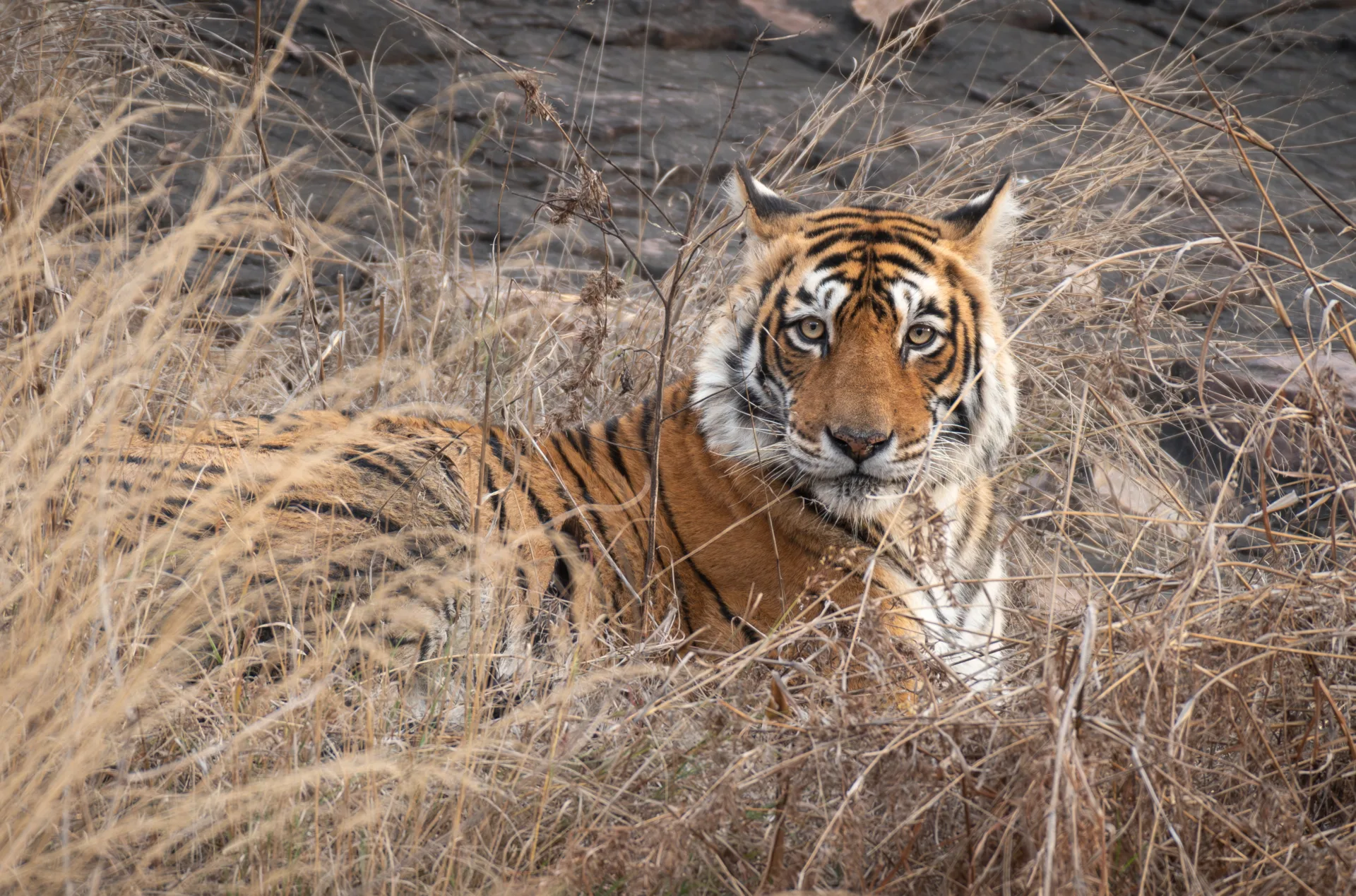
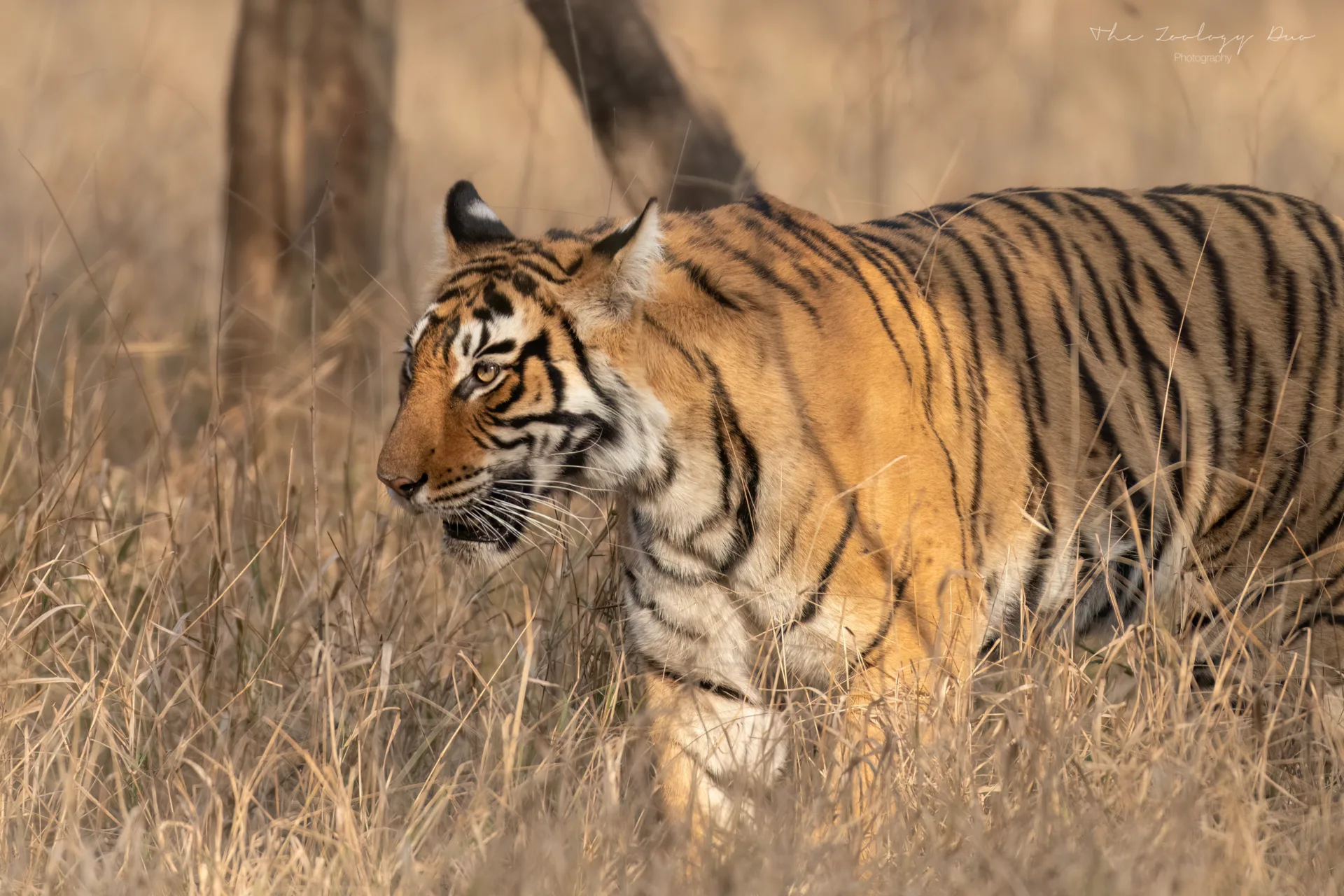
Few wildlife experiences compare to watching a wild Bengal tiger emerge silently from the forests of Ranthambore National Park. It’s the moment thousands of wildlife lovers dream about – and one we will never forget.
If seeing a Bengal tiger in the wild is at the top of your bucket list, Ranthambore National Park is one of the very best places on Earth to make that dream a reality. Located in the heart of Rajasthan, this iconic reserve has become one of the world’s most famous destinations for tiger safaris, offering visitors a chance to watch one of the world’s most elusive big cats in broad daylight.
As zoologists and wildlife photographers, we spent a week exploring Ranthambore National Park, completing multiple safaris across several different zones in search of its exceptional wildlife. While the tigers are undoubtedly the stars of the show, if you are nature-crazy like us, you will find yourself captivated by sloth bears, crocodiles, vibrant birdlife and the beautiful lakes, ancient ruins and dry forests that make this one of the world’s most remarkable national parks.
Whether you’re planning your very first tiger safari or looking to maximise your chances of spectacular wildlife encounters, this guide brings together everything we learned from our trip. We’ll explain the safari booking process, compare the different safari zones, share practical photography tips, discuss the best time of year to visit, and help you avoid many of the easy mistakes that first-time visitors often make.
If you’re hoping to experience one of the world’s greatest wildlife destinations, this guide will help you make the most of your time in Ranthambore National Park.
If you are visiting India and want to see more of its incredible wildlife, make sure you read our complete guide to seeing leopards on the edge of Jaipur: Jhalana Leopard Safari just outside of the stunning Pink City.
Table of Contents
Ranthambore National Park at a Glance
| 📍 Location | Rajasthan, India |
| 🐅 Famous For | Wild Bengal Tigers |
| 📅 Best Time to Visit | October-February |
| ⏱ Safari Duration | ~3.5 hours |
| 🚙 Safari Types | Gypsy & Canter |
| 📸 Photography | Excellent |
| ⏳ Recommended Stay | 3-5 days |
Is Ranthambore National Park Worth Visiting?
In our opinion, absolutely!
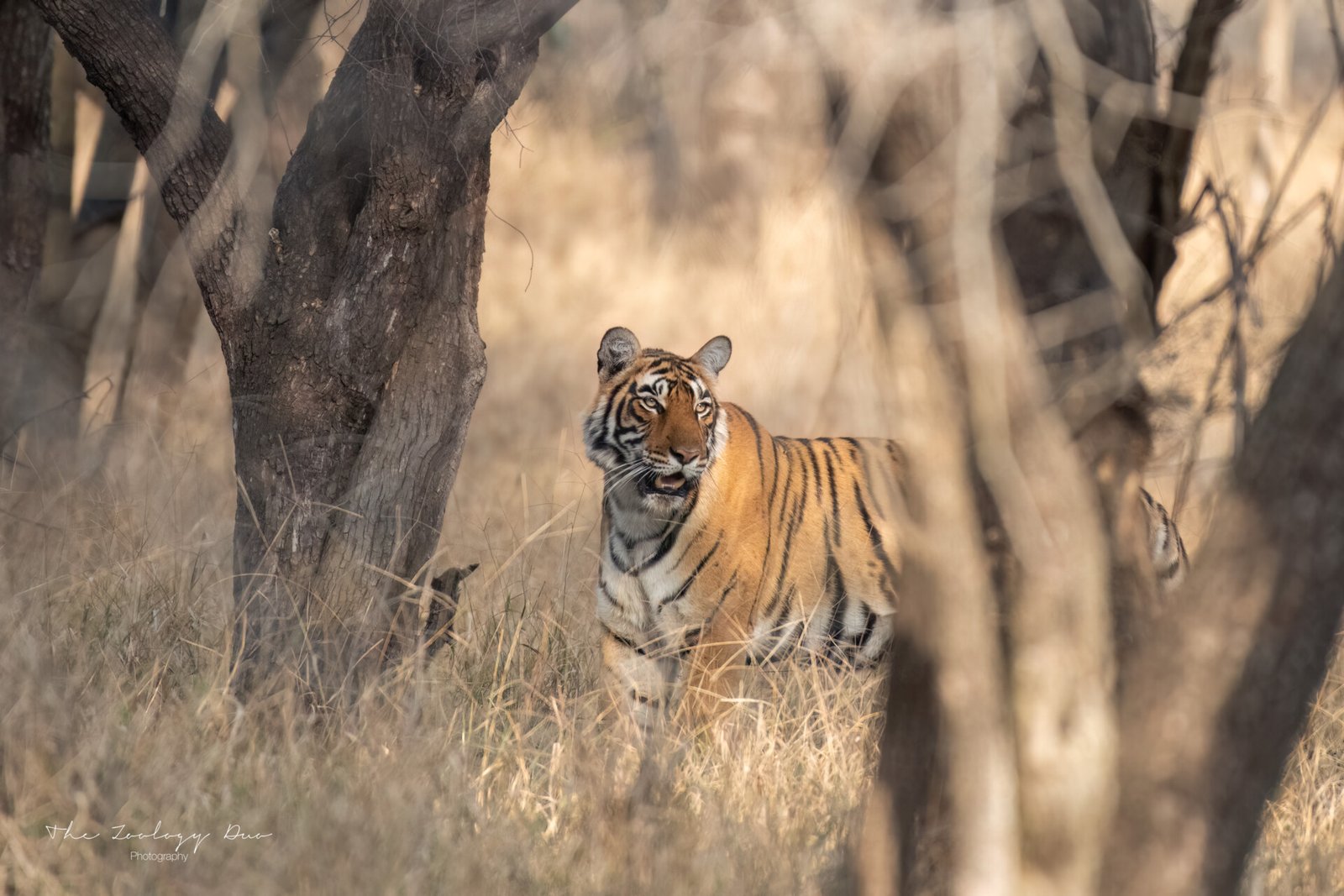
If your dream is to see a wild Bengal tiger, Ranthambore is one of the best places in the world to make that happen. Ranthambore’s open woodlands, lakes and rocky hillsides provide excellent visibility, giving you a real chance of enjoying prolonged views of tigers (and, with a little luck, even tiger cubs).
However, Ranthambore National Park is much more than just a tiger destination.
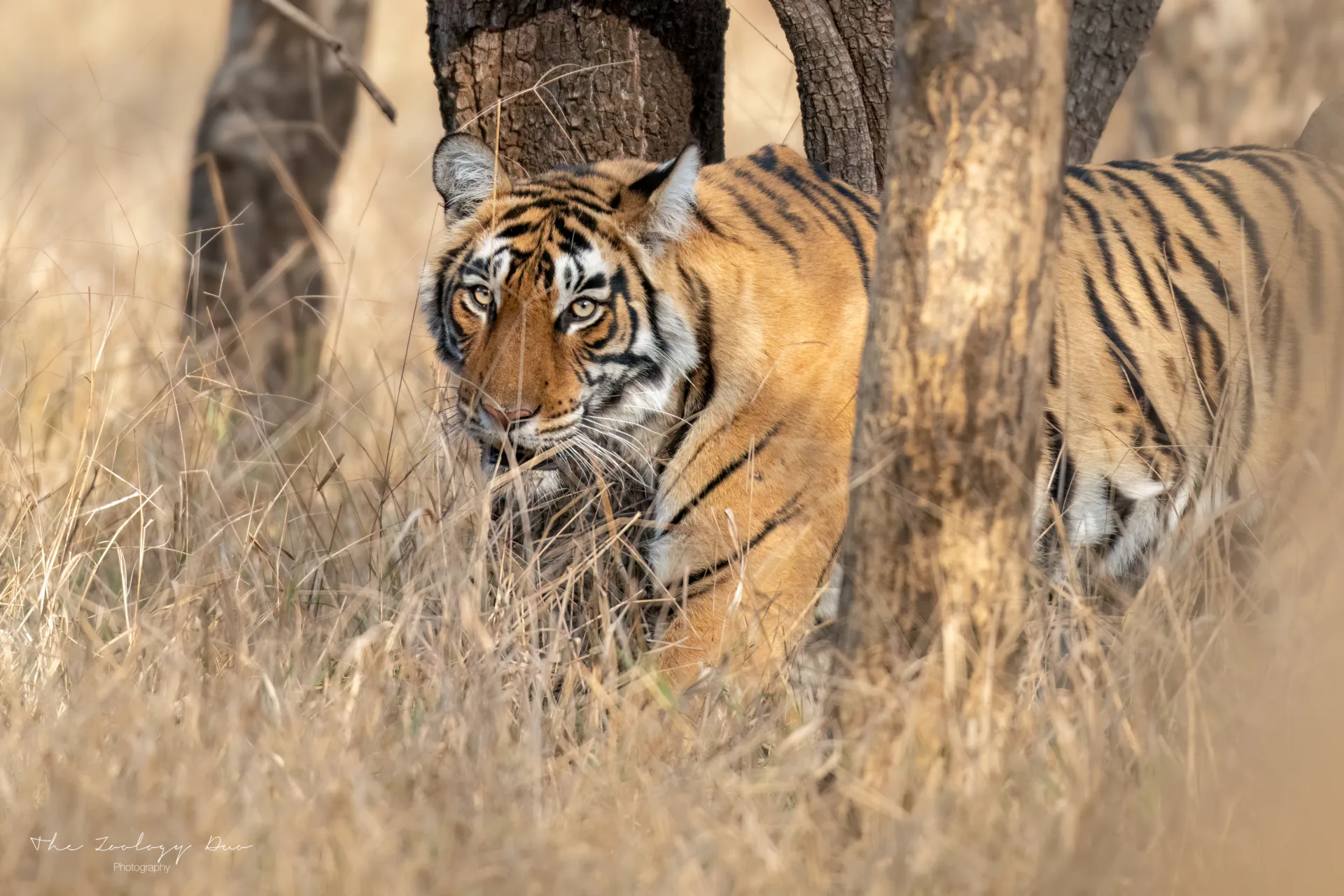
During our week in Ranthambore, we were fortunate enough to see tigers on all but one day, including multiple sightings of one male, three different females and an unbelievable six cubs across our trip.
Yet it wasn’t only the famous big cats that made our trip so memorable. Watching a distant sloth bear forage through the forest, catching a fleeting glimpse of a leopard disappearing into the undergrowth, photographing sambar deer feeding in the picturesque red algae-covered lakes, and seeing enormous mugger crocodiles basking along the shoreline, we were constantly reminded of why Ranthambore is so incredible.
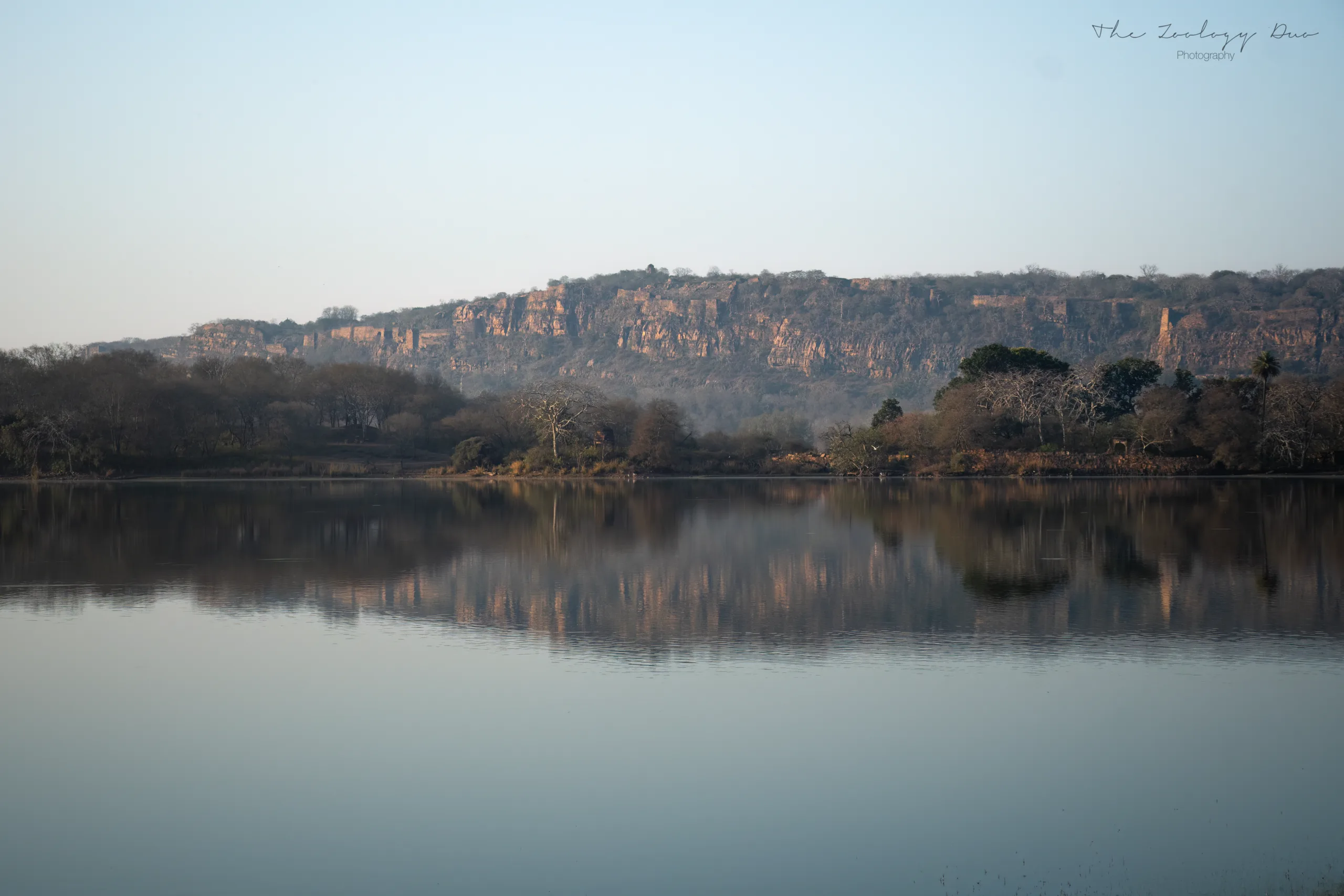
And it’s not only the wildlife – one of the things that makes Ranthambore so unique is its landscape. Unlike many national parks, wildlife here frequently wander among centuries-old ruins, creating surreal scenes that feel almost unbelievable. Seeing a tiger walking past an ancient temple or a peacock displaying beneath the fort walls is something few other wildlife destinations can offer.
If you’re passionate about wildlife, photography or simply experiencing one of India’s greatest spectacles, we think Ranthambore National Park deserves a place near the top of your travel list. We left with unforgettable memories, thousands of photographs and a strong desire to return – and we suspect you will too.
Where is Ranthambore National Park?
One of the reasons Ranthambore has become India’s most popular tiger reserve is its convenient location. Situated in the eastern part of Rajasthan, it’s easily accessible from many of India’s most-visited destinations. The nearest town, Sawai Madhopur, serves as the gateway to the park and is well connected by both rail and road.
Ranthambore lies approximately 170 km southeast of Jaipur, 350 km south of Delhi, and around 270 km from Agra, making it the perfect extension to India’s famous Golden Triangle. Many travellers combine visits to Delhi, Agra and Jaipur with a few days in Ranthambore National Park, offering the perfect balance between India’s rich cultural heritage and its incredible wildlife.
Whether you’re travelling independently or as part of a wider tour, reaching Ranthambore National Park is surprisingly straightforward, making one of the world’s greatest tiger reserves accessible to almost every traveller.
Getting There
By Air
If you’re travelling internationally, you have two main options:
- You can fly into New Delhi’s Indira Gandhi International Airport (DEL), which is India’s primary airport and the one with the most convenient inbound international flights.
- If you want to land even closer to Ranthambore, Jaipur International Airport (JAI) is the closest airport to Ranthambore National Park. Although Jaipur has fewer international connections than Delhi, it is the closest airport to Ranthambore National Park and may only require a single connection through Delhi or the Middle East.
Once you arrive in Delhi or Jaipur, reaching Ranthambore National Park is straightforward by train or private taxi to Sawai Madhopur. For most independent travellers, we think the train offers the best combination of cost, convenience and experience. However, if you’re travelling with lots of luggage or in a group, a private transfer can be a comfortable alternative.
By Train
We personally recommend using India’s extensive railway network to travel to Ranthambore National Park. Sawai Madhopur Junction is the most convenient station for reaching the park and is well connected to major cities including Jaipur, Delhi and Mumbai. Train tickets can be booked through the official IRCTC website, although the booking process can be a little confusing for first-time visitors.
The Jaipur Junction to Sawai Madhopur Junction route is by far the easiest and most convenient journey, taking around 2–3 hours. We recommend booking as early as possible as trains can fill up quickly. When planning our own trip, we found The Wandering Quinn’s guide to booking Indian trains absolutely invaluable and would highly recommend it if you’re unfamiliar with the IRCTC website.
The journey itself is surprisingly enjoyable. As the train leaves Jaipur, the busy cityscape gradually gives way to the rural landscapes of Rajasthan before arriving in Sawai Madhopur, where many hotels offer complimentary station transfers. We particularly enjoyed having sleeper berths, which gave us the chance to relax and even catch up on some sleep after a busy few days of travelling. The onboard vendors regularly pass through the train selling fresh chai, snacks and simple meals at very reasonable prices, adding to the experience.
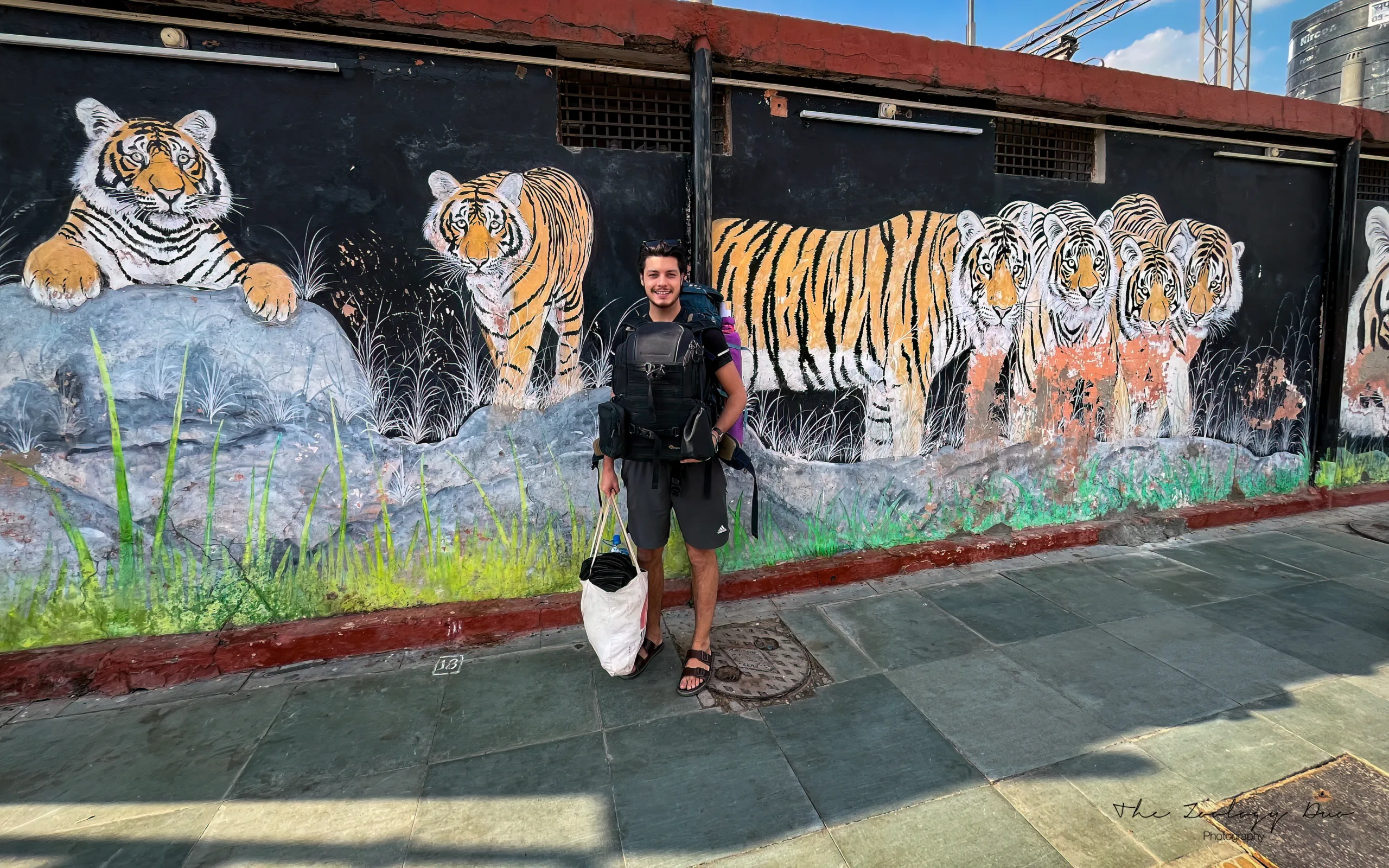
By Road
Driving to Ranthambore is another popular option, particularly if you’re already exploring Rajasthan or travelling around India by hire car or private driver. The roads are generally in decent condition, and Sawai Madhopur is well connected to Jaipur, Agra and Delhi via the national highway network.
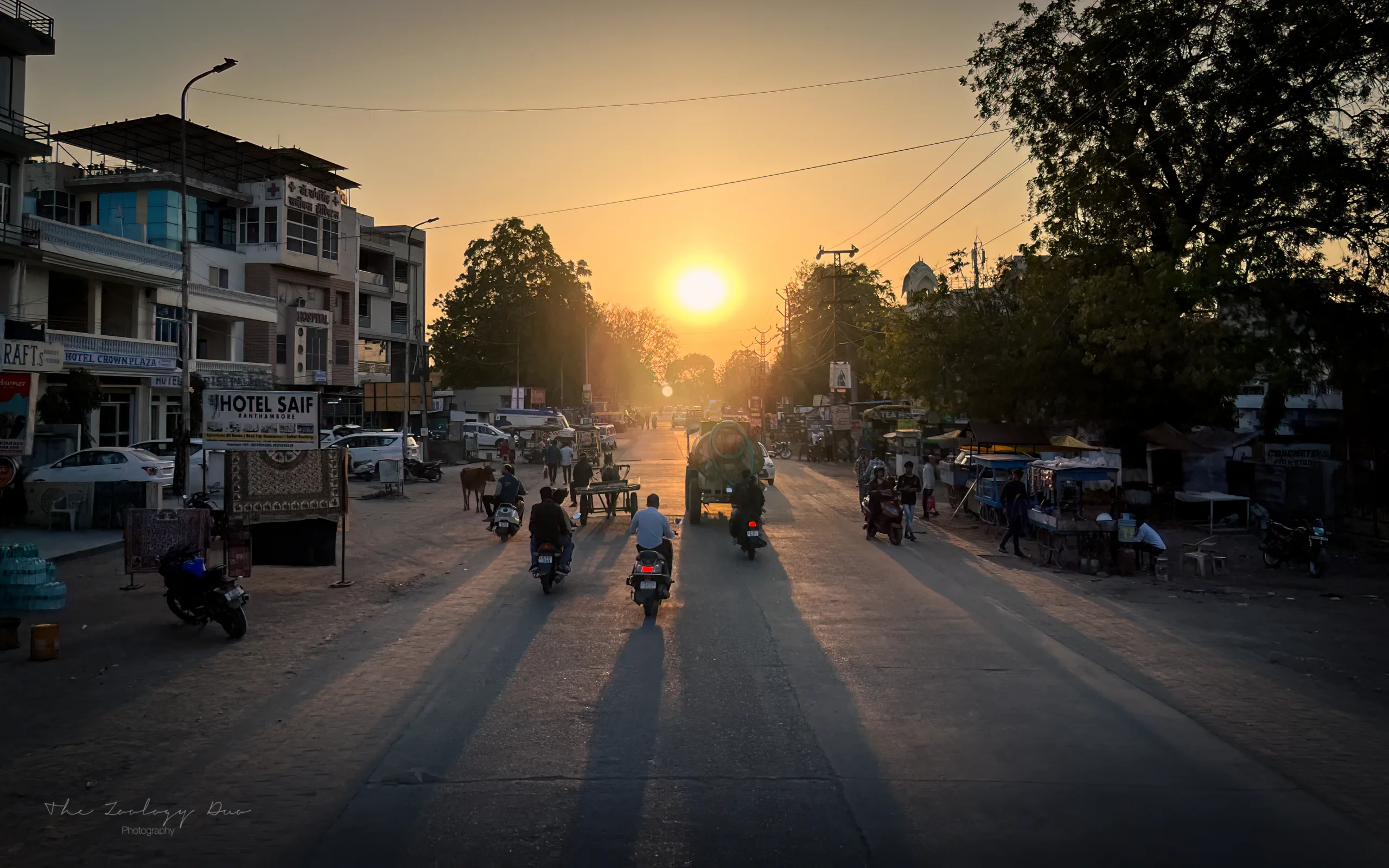
For travellers with limited time, another popular option is to book a guided day trip from Jaipur. These tours typically include hotel pickup, return transport, and a morning or afternoon safari, making them an excellent choice if you want to experience Ranthambore without changing hotels or navigating India’s rail network. Although it’s a long day, and you typically only embark on a single safari, it’s a convenient way to experience one of India’s most famous tiger reserves if your itinerary is centred around other things.
If, like us, you’re hoping to complete multiple safaris over several days, we’d strongly recommend staying in Sawai Madhopur rather than visiting as a day trip. Spending several days in the area not only increases your chances of seeing tigers, but also allows you to experience different safari zones, lighting conditions and wildlife behaviour.
And if you are in Jaipur, we also absolutely recommend that you embark on another incredible safari just 15 minutes outside of central Jaipur at the wonderful Jhalana Leopard Reserve. This is one of the best places to see Indian leopards in the wild and we had a wonderful experience here watching leopards just outside of the city.
Where to Stay
If you’re planning to spend several days exploring Ranthambore National Park, Sawai Madhopur is by far the best place to base yourself. Located just a few kilometres from the park entrances, the town offers everything from budget guesthouses and family-run homestays to luxury safari lodges and five-star resorts.
Most accommodation providers cater specifically to safari visitors, with many offering early morning wake-up calls, packed breakfasts and transfers to and from the safari gates. Several hotels also provide complimentary pickup from Sawai Madhopur Junction, making it easy to arrive by train without needing to arrange additional transport.
During our visit, we found Sawai Madhopur to be a relaxed and convenient base. Between safaris, we usually returned to our hotel for lunch, downloaded our photographs, recharged camera batteries and enjoyed a few hours of rest before heading back out for our afternoon drive. Having accommodation so close to the park made this daily routine effortless.
Whether you’re travelling on a backpacker’s budget or looking for a luxury wildlife retreat, you’ll find accommodation to suit almost every style of trip.
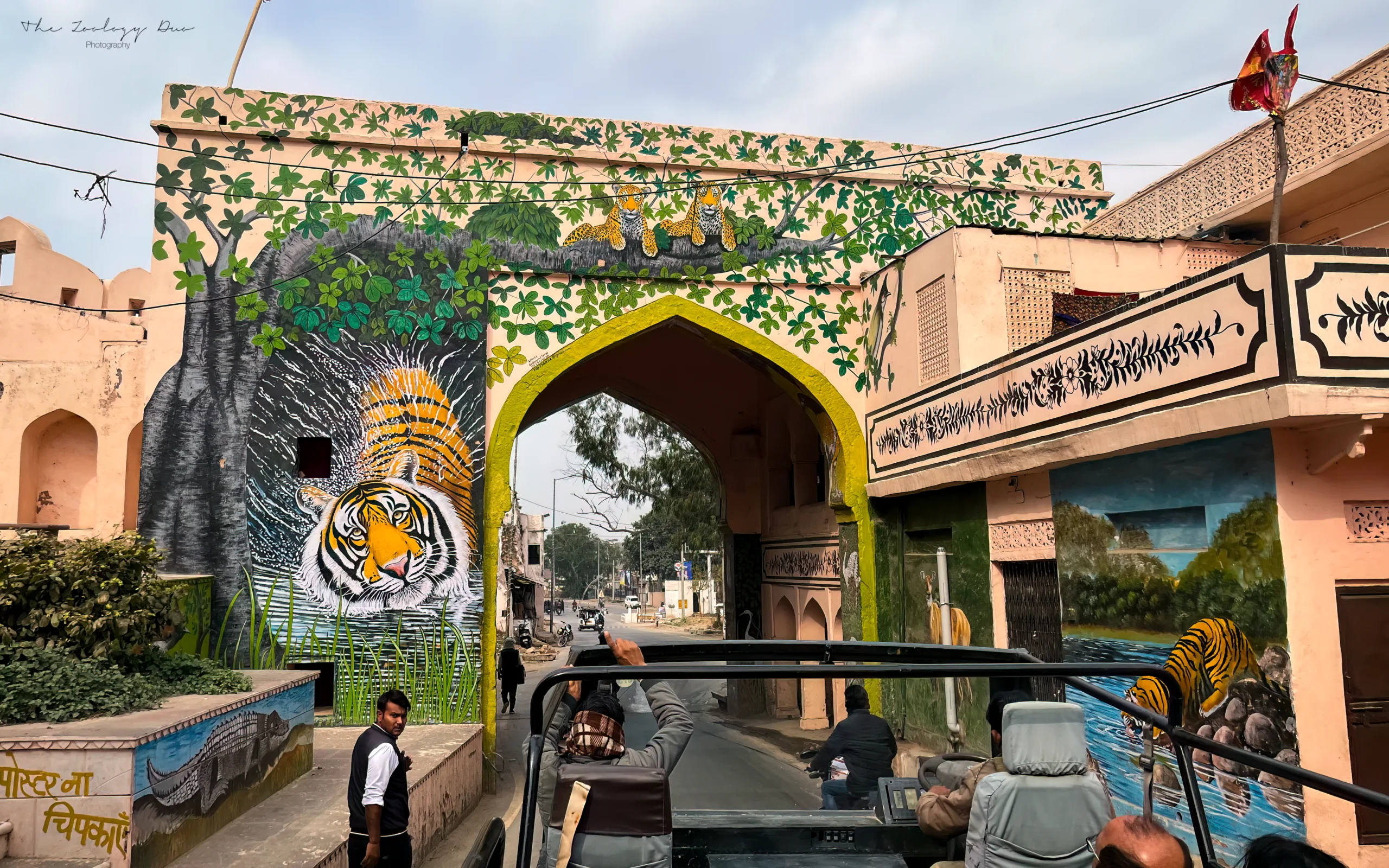
As we visited during a long-term backpacking trip, we went with a more budget option, which proved to be a great choice. We absolutely loved our stay at Hotel Tiger Haveli, which was a great base for our trip and left us with many fond memories of eating the amazing food served up at the rooftop restaurant whilst discussing our safari adventures.
⚠️ Park Closure Days
If you’re planning your itinerary, remember that Ranthambore National Park is not fully open every day. The Core Zones (1–5) close every Wednesday, while the Buffer Zones (6–10) close every Tuesday, for weekly maintenance. If you’re only visiting for a couple of days, make sure these closure days don’t fall during your stay.
Ranthambore’s Diverse Wildlife
Although Bengal tigers are undoubtedly Ranthambore’s biggest attraction, they represent just one part of a remarkably rich ecosystem. The park’s mix of dry deciduous forest, rocky hills, lakes and open grassland supports an impressive variety of mammals, reptiles and birds, ensuring that every safari offers something new to discover for anybody interested in wildlife.
Mammals
Ranthambore National Park is home to more than 40 species of mammals, from iconic predators such as Bengal tigers and leopards to elusive sloth bears, striped hyenas and Indian wolf. Smaller carnivores including golden jackals, jungle cats, Indian mongooses and the exceptionally rare caracal also inhabit the reserve, although you have to be extremely lucky to encounter them.
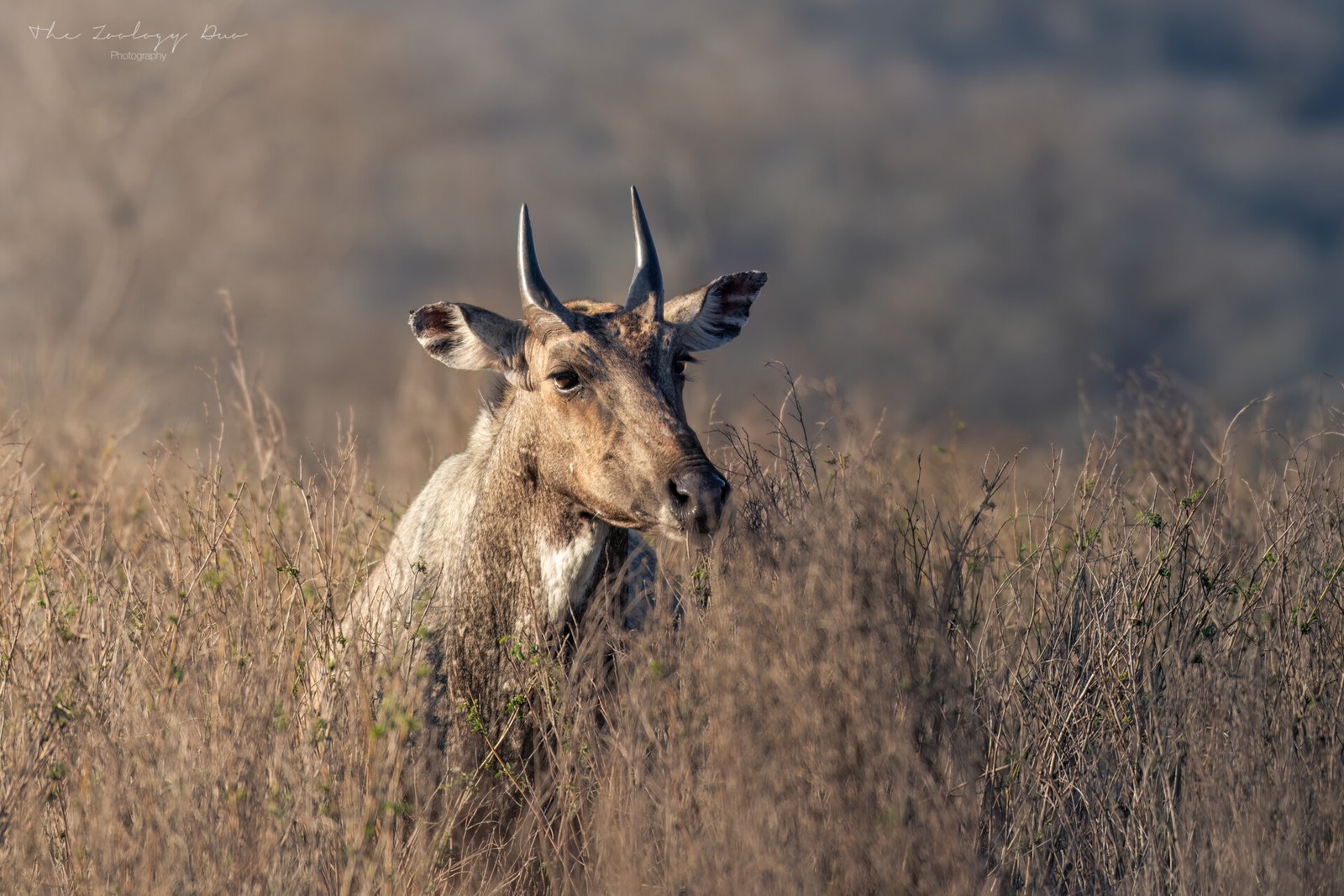
The park’s herbivores are far easier to observe and form the backbone of the ecosystem. Enormous sambar deer, towering nilgai, abundant chital, wild boar and chinkara are regularly seen throughout the reserve, while grey langurs and rhesus macaques provide an almost constant soundtrack to the forest. Learning to recognise the alarm calls of deer and langurs quickly becomes one of the most exciting parts of any safari, as they often signal that a tiger or leopard is nearby.

Reptiles
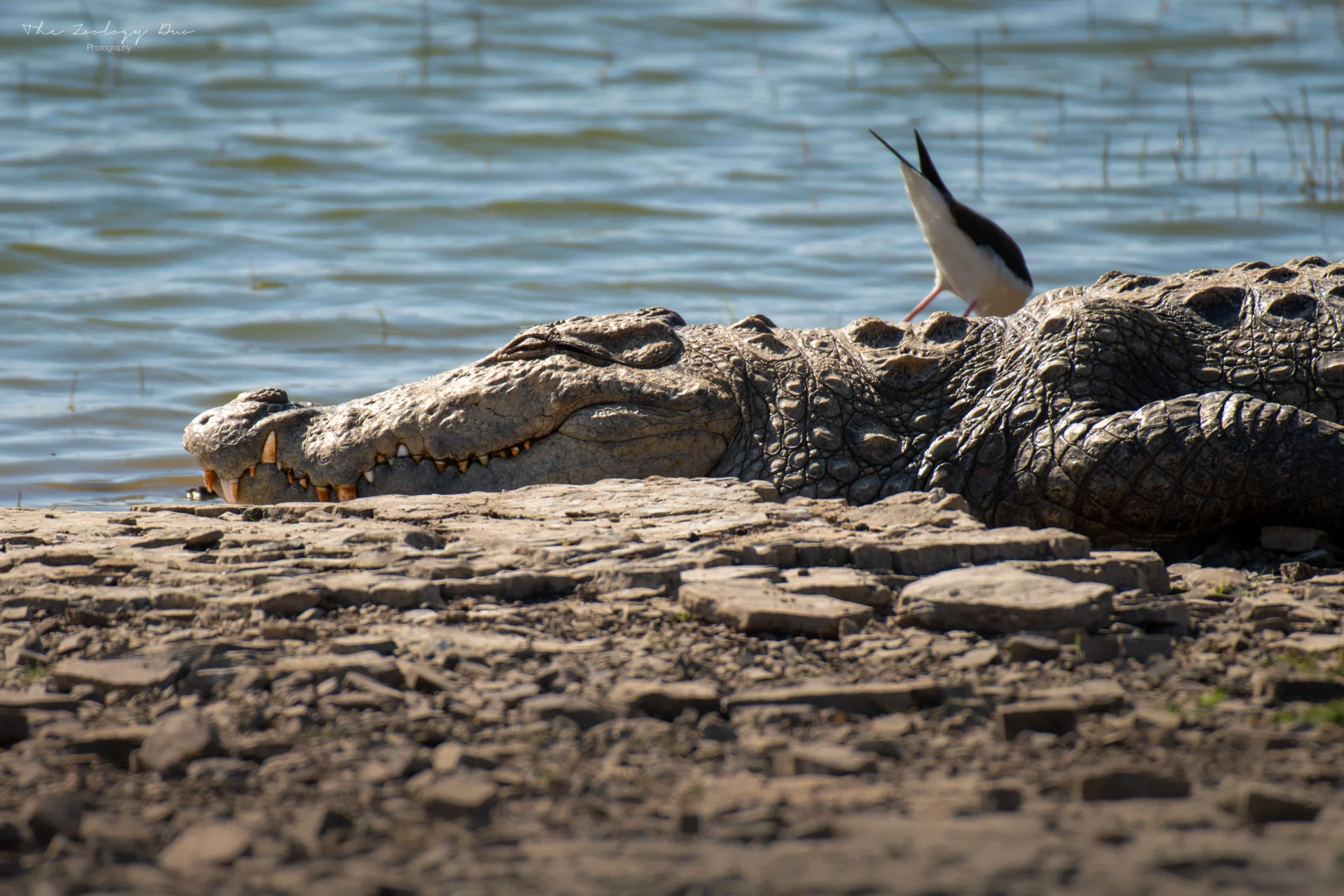
Although often overshadowed by the park’s mammals, Ranthambore’s reptiles are well worth watching. Mugger crocodiles are among the most commonly encountered species and can often be seen basking along the edges of lakes or silently drifting through the water. These prehistoric beasts can grow to massive sizes of between 4 and 5 meters, making them one of the park’s most formidable predators.
Other reptiles recorded in the park include Indian rock pythons, monitor lizards, turtles and several other species of snake, including the Indian cobra, although these are encountered far less frequently.
Birds
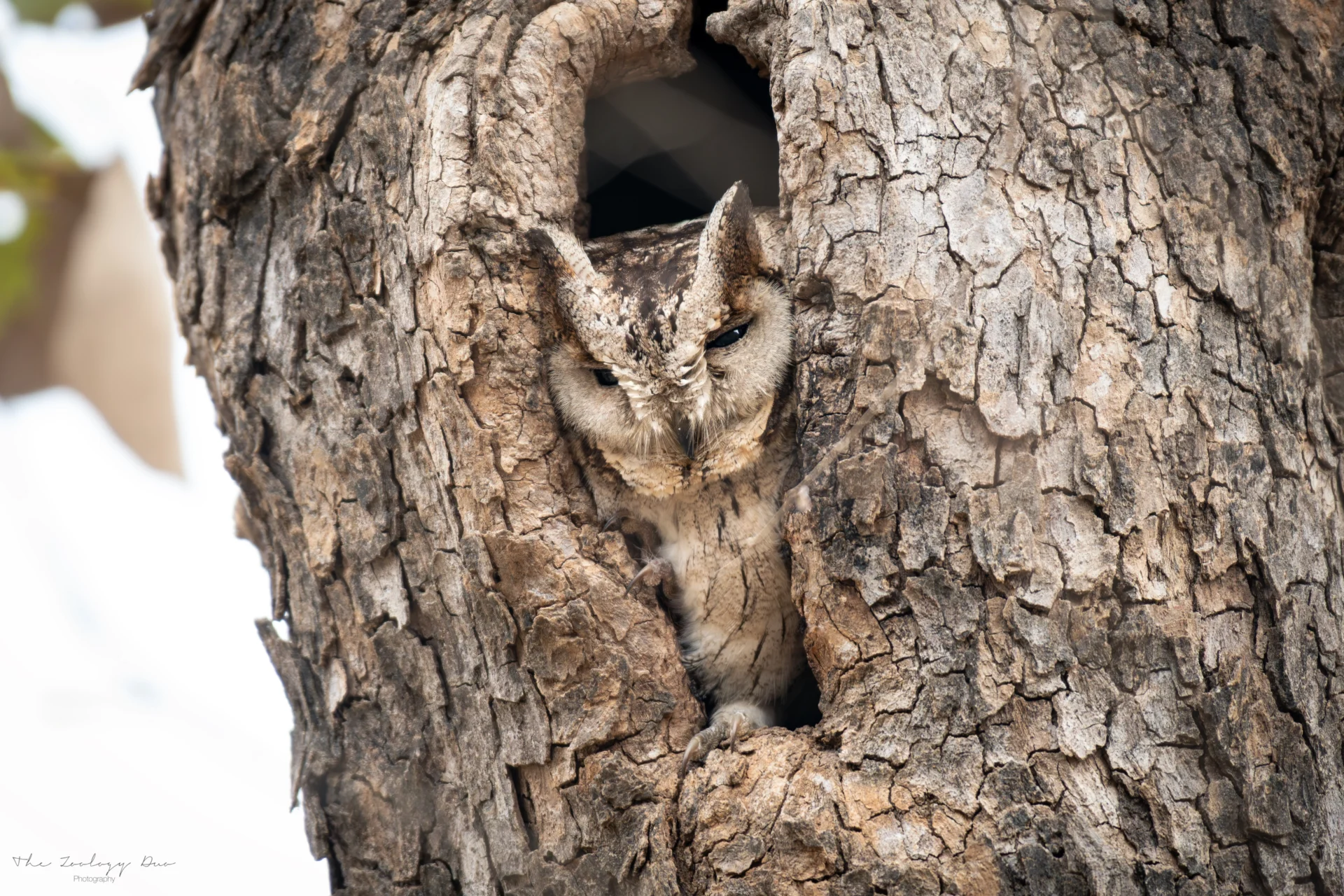
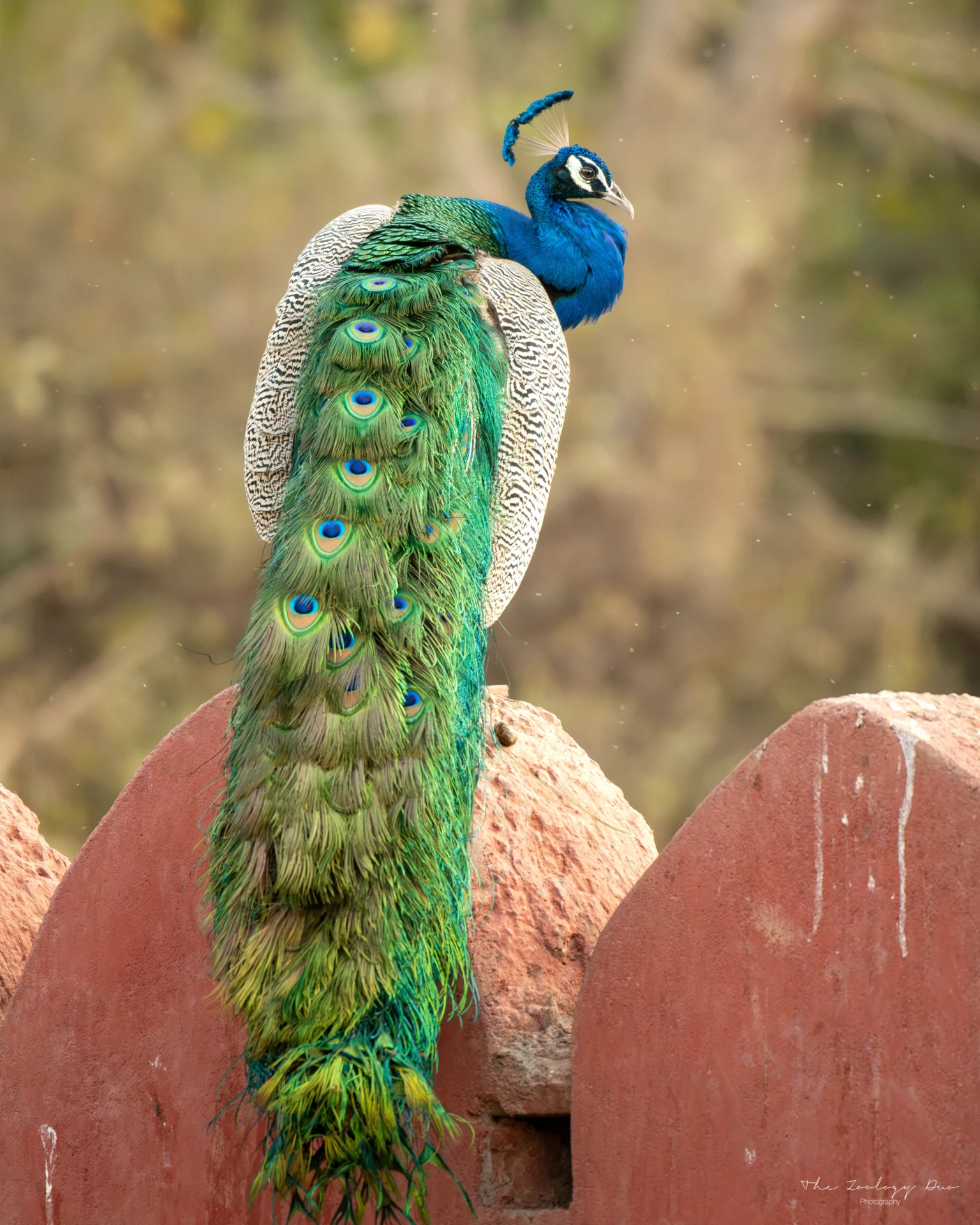
While many visitors arrive hoping to see tigers, birdwatchers could happily spend weeks exploring Ranthambore without hesitation. More than 300 bird species have been recorded here, ranging from iconic Indian peafowl (peacocks), to numerous species of owl and kingfisher, to impressive raptors such as the crested serpent eagle. Lakes and wetlands attract storks, herons and egrets, while the woodland is alive with parakeets, drongos, bee-eaters and countless other species. Even if birds aren’t your main interest, you’ll almost certainly come home with far more photographs than you expect.
The History and Conservation of Ranthambore
Ranthambore has undergone an inspirational journey; taking it from a former royal hunting ground to the world’s most iconic nature reserve to see tigers in the wild. It holds a history ranging from the depths of despair to some of the most important milestones in wildlife conservation.
For centuries, the forests of Ranthambore were reserved as the private hunting grounds of the Maharajas or “great kings” of Jaipur. The area’s wildlife attracted royalty and trophy hunters from across the globe, with tigers regarded as the ultimate prize.
Despite India’s tiger population being estimated at around 100,000 individuals at the beginning of the 20th century, the extreme hunting pressure led to a catastrophic decline, with only an estimated 1,827 individuals remaining by 1972.
Fortunately, the story of Ranthambore didn’t end there.
The realisation of the severity of the decline led to the birth of ‘Project Tiger’ in 1973, undoubtedly one of the country’s most ambitious conservation initiatives. Ranthambore was selected as one of the original tiger reserves, and in 1980 it was officially designated as a National Park. Since then, continued protection and habitat management have transformed the reserve into one of the world’s most celebrated tiger conservation success stories. As of 2025, there are estimated to be 3,682 individual tigers across India.
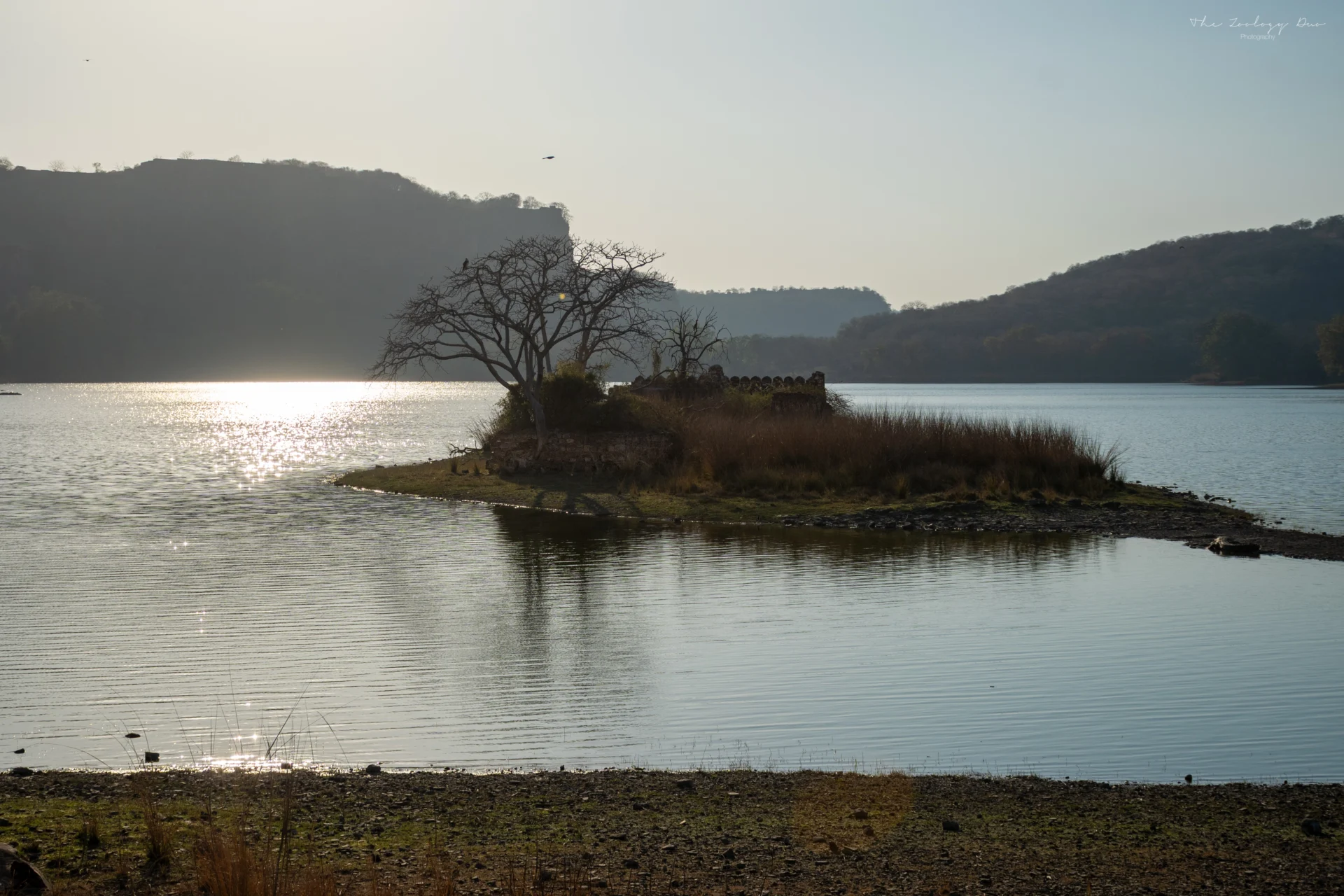
Today, Ranthambore National Park is recognised not only for its thriving tiger population, but also for its remarkable biodiversity and unique blend of wildlife and history. The striking Ranthambore Fort, a UNESCO World Heritage Site, still overlooks the wild forests, creating one of the few places in the world where centuries of human history and nature coexist so spectacularly.
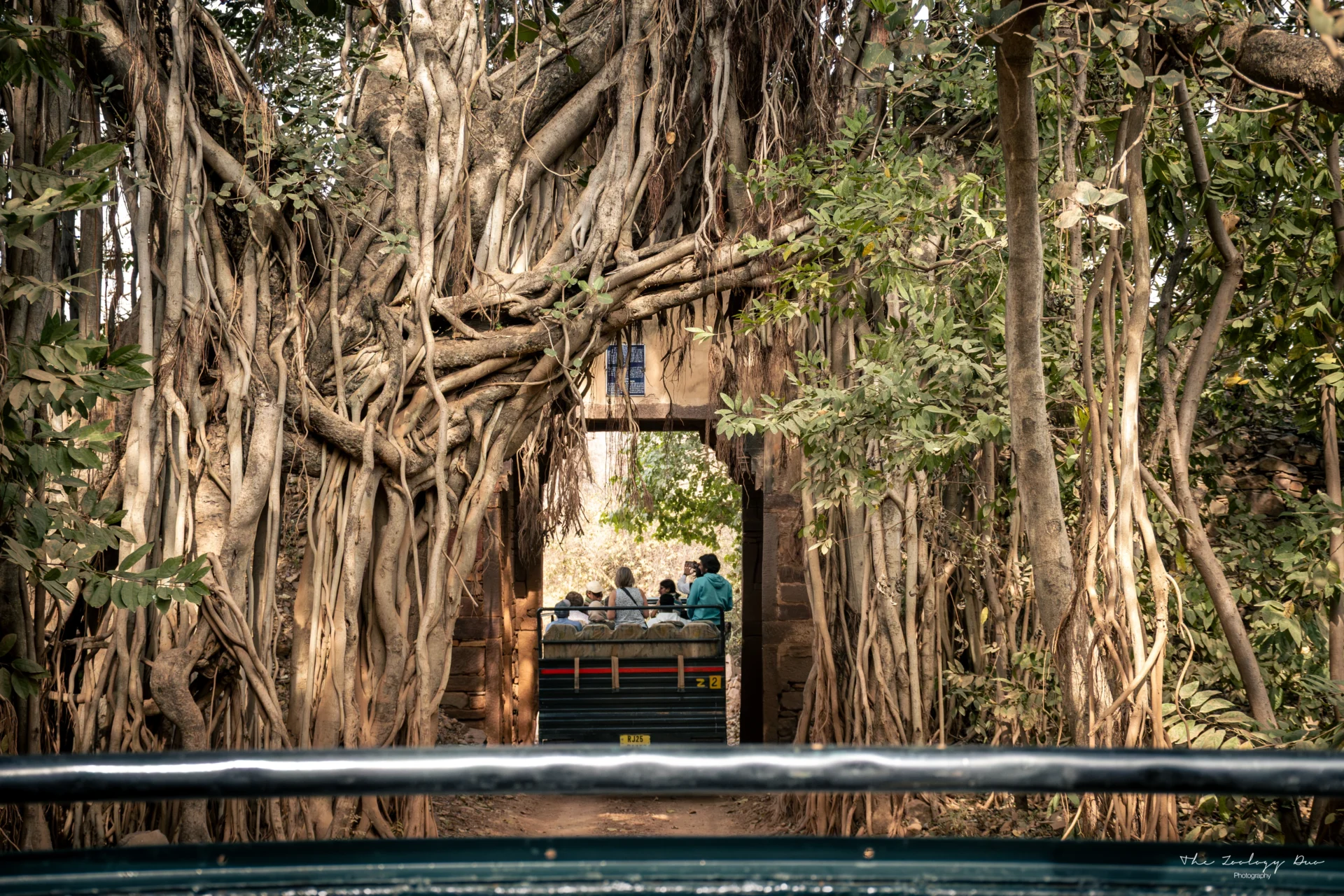
Ranthambore’s Most Famous Tigers
One of the things that makes a safari in Ranthambore so distinctive is that many of its tigers are individually known by guides, photographers and regular visitors. Their stripe patterns allow them to be identified, while their territories, family relationships and behaviour give each tiger its own recognisable story.
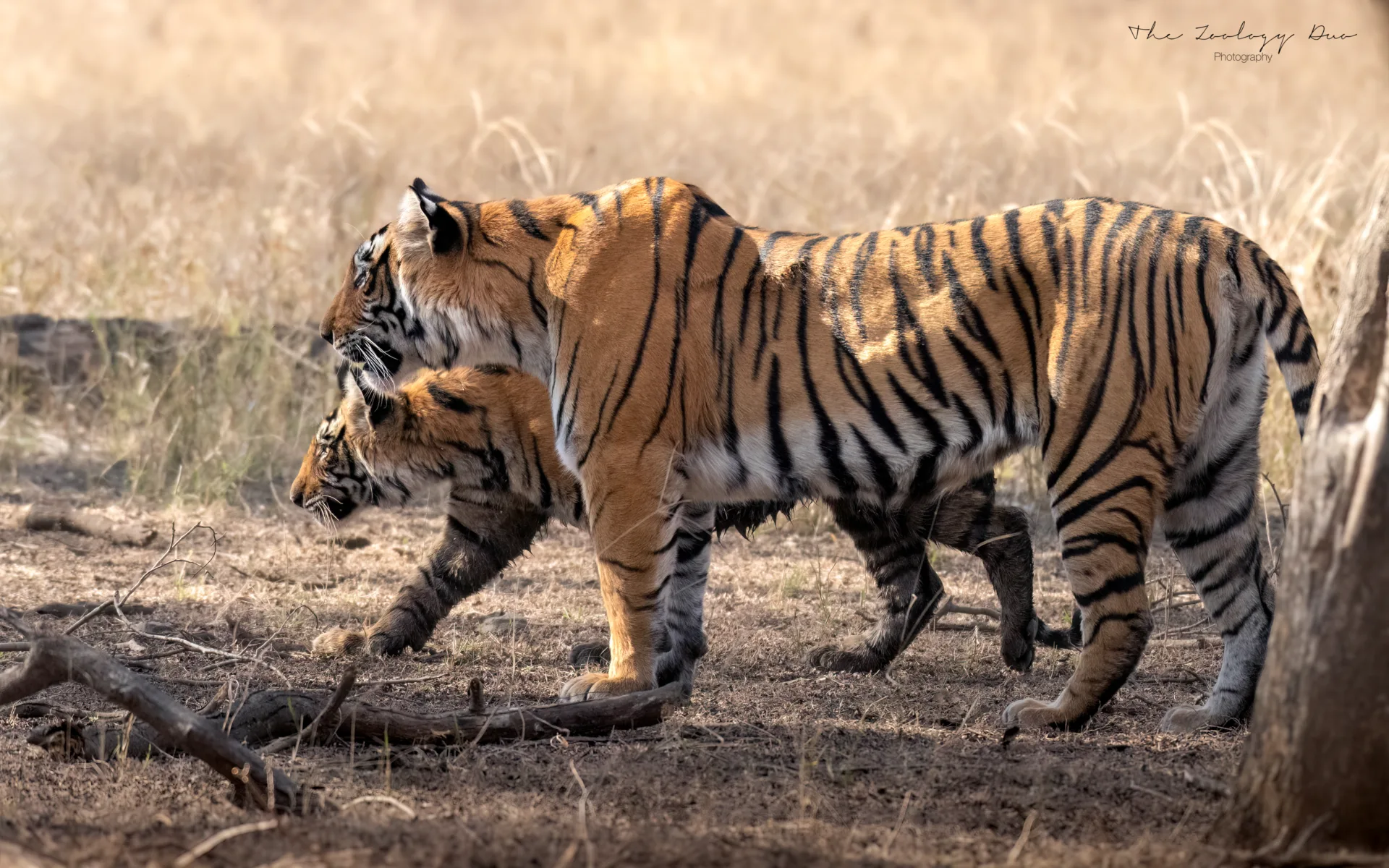
The most famous of them all was Machli, often called the “Queen of Ranthambore.” Born in 1997, she became one of the world’s best-known wild tigers and played an important role in Ranthambore’s tiger population through the cubs she successfully raised. She was also remembered for her strength and hunting ability, including a famous encounter with a mugger crocodile. Machli died in 2016, but her descendants continued to shape Ranthambore’s tiger population for many years.
Another of Ranthambore’s most recognisable tigresses was Arrowhead, a descendant of Machli whose territory included the park’s celebrated lake region. We were fortunate enough to photograph her in Zone 2 during our visit. Arrowhead died in June 2025 after becoming one of the reserve’s most frequently photographed and widely recognised tigers.
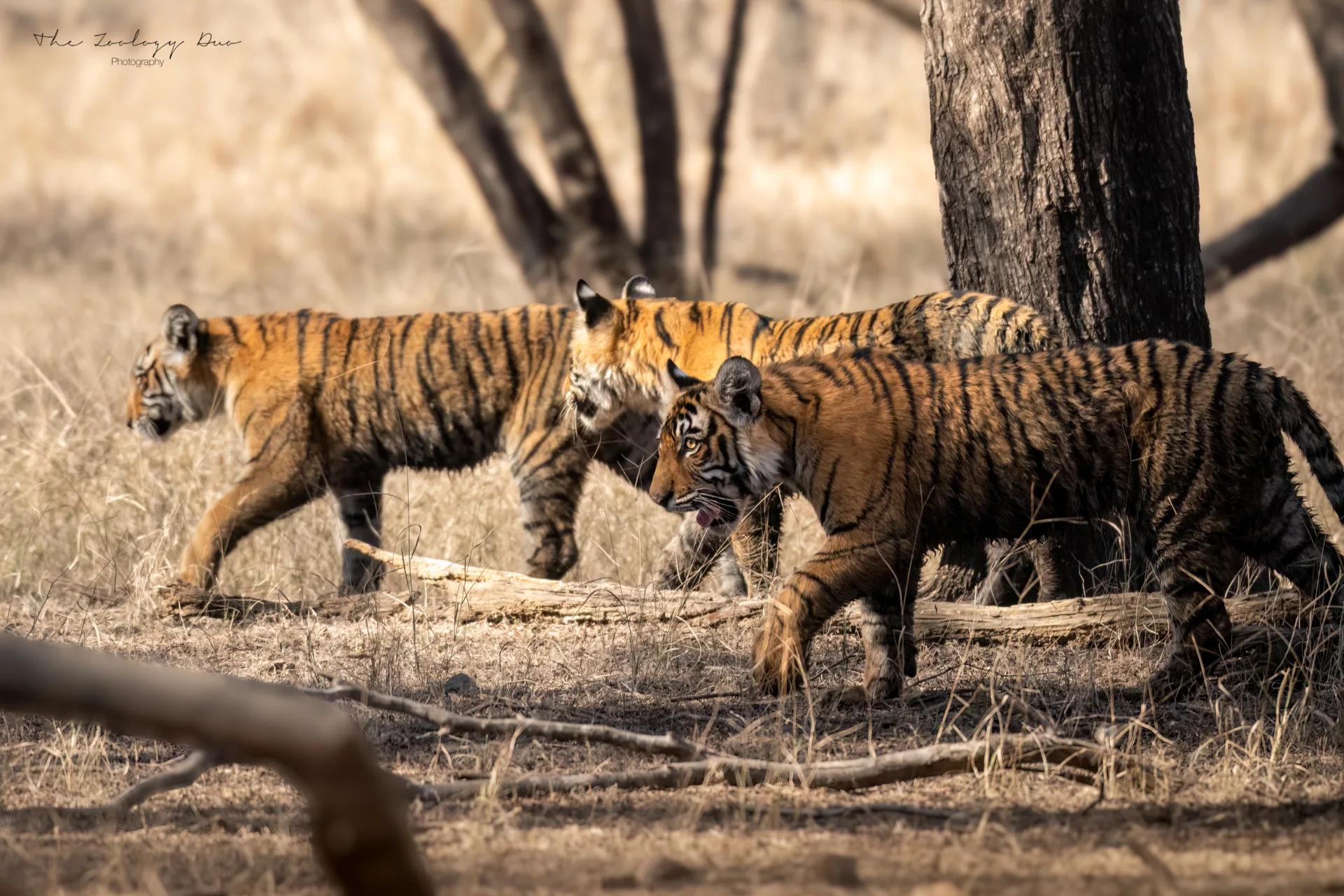
We also encountered Riddhi and her three cubs in Zone 3, producing some of our most memorable sightings from the entire trip. Watching the cubs interact beside their mother offered a fascinating glimpse into tiger family life and demonstrated why returning visitors often become so invested in the stories of individual Ranthambore tigers.
The identities and territories of Ranthambore’s resident tigers naturally change over time. Rather than planning your visit around one particular animal, ask your guide which tigers are currently active in your allocated zone – you may find yourself following the next chapter in the reserve’s extraordinary tiger history.
Ranthambore Safari Zones Guide
One of the first things you’ll discover when planning a safari in Ranthambore National Park is that the park is divided into 10 separate safari zones. Each zone has its own unique landscape, resident wildlife and network of tracks, creating a different safari experience each time.
Although certain zones have historically developed reputations for excellent tiger sightings, it’s important to remember that wild animals don’t follow maps. Tigers frequently move between territories, sightings change from season to season, and every safari is different. A quiet morning in one zone can easily be followed by an unforgettable afternoon in another.
During our week in Ranthambore, we explored Zones 2–6, giving us the opportunity to experience a variety of landscapes, habitats and wildlife. Each zone felt noticeably different, reinforcing the idea that a great safari isn’t defined by a single “best” zone, but by the unique encounters each one can offer.
| Zone | Landscape | Tiger Potential | Best For |
|---|---|---|---|
| 1 | Rock valleys and forest | ★★★★☆ | Scenery |
| 2 | Lakes and woodland | ★★★★★ | Tigers |
| 3 | Lakes, woodland and ancient ruins | ★★★★★ | Tigers & Photography |
| 4 | Mixed woodland | ★★★★☆ | Wildlife |
| 5 | Open woodland | ★★★★☆ | All-round Wildlife |
| 6-10 | Buffer zones | ★★★☆☆ | Quiet & Unique Wildlife |
💡 Our Experience: The descriptions of Zones 2–6 are based on our own safaris, while the remaining zones are described using their well-established habitats, wildlife and current reputation from our extensive research leading up to our trip.
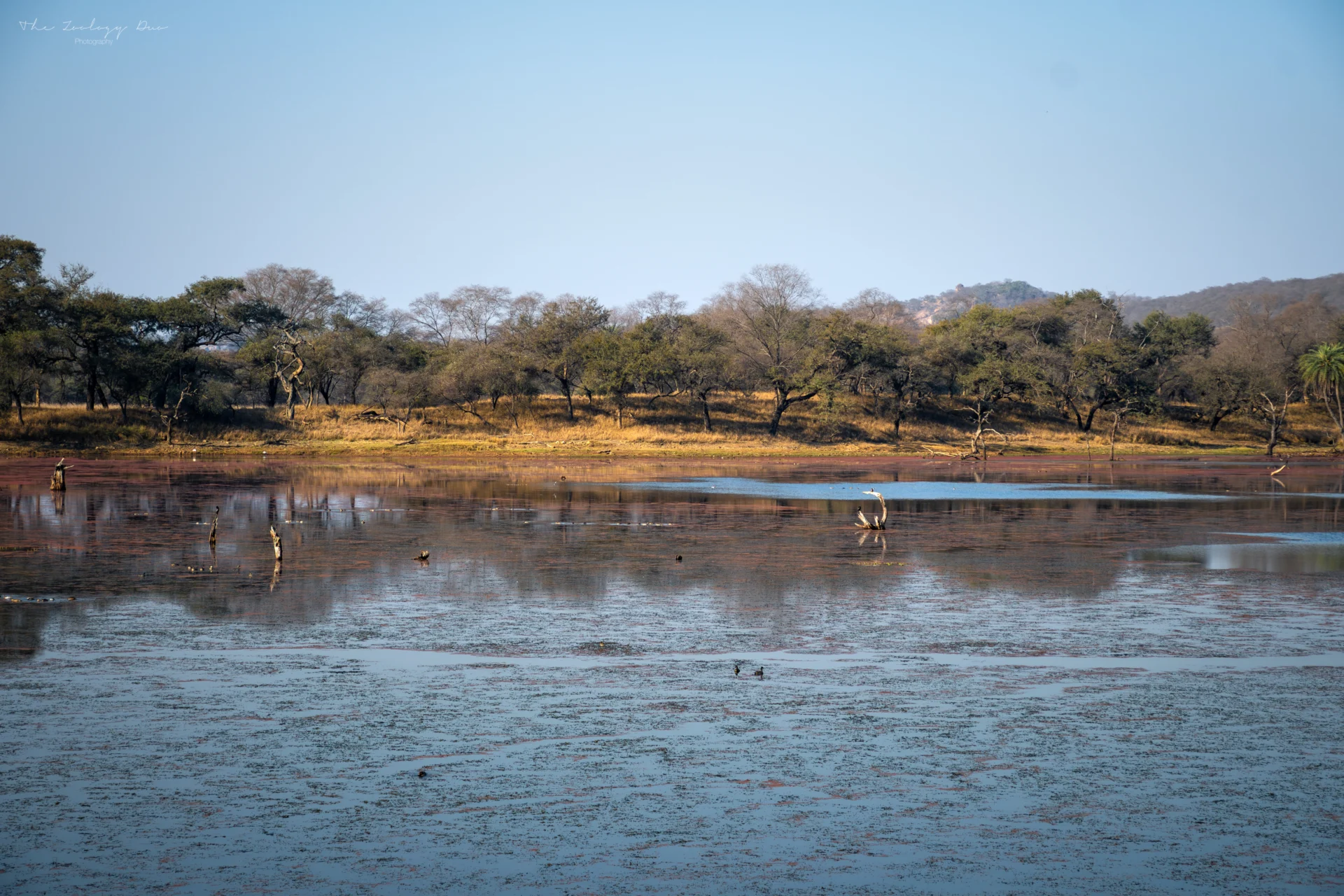
Core Zones (1-5)
The Core Zones are generally considered the zones offering the best chances to see tigers, with many of the prominent tigers having their territories here.
Zone 1
Zone 1 is often regarded as one of the park’s most scenic areas, combining rugged hills, dry deciduous forest and picturesque valleys. Historically, it has developed a strong reputation for tiger sightings, although, like every zone in Ranthambore, success depends on the movement of the park’s wildlife over time rather than the zone itself.
Alongside Bengal tigers, visitors may encounter leopards, sloth bears, sambar deer, chital, nilgai and a wide variety of birdlife. The varied terrain also makes this one of the more interesting zones photographically, with rocky outcrops and winding tracks creating dramatic safari scenes.
If you’re fortunate enough to be allocated Zone 1, expect a classic Ranthambore safari with excellent scenery and the potential for memorable wildlife encounters.
Zone 2
Zone 2 is another of Ranthambore’s most sought-after safari areas and has long been associated with several of the park’s famous resident tigers. Characterised by lakes, open woodland and rocky hillsides, it offers excellent visibility and some beautiful photography opportunities.
The combination of water sources and dense vegetation attracts a wide variety of wildlife throughout the year. While many visitors understandably focus on the tigers, crocodiles, sambar deer, langurs and numerous bird species also make this a rewarding zone to explore.
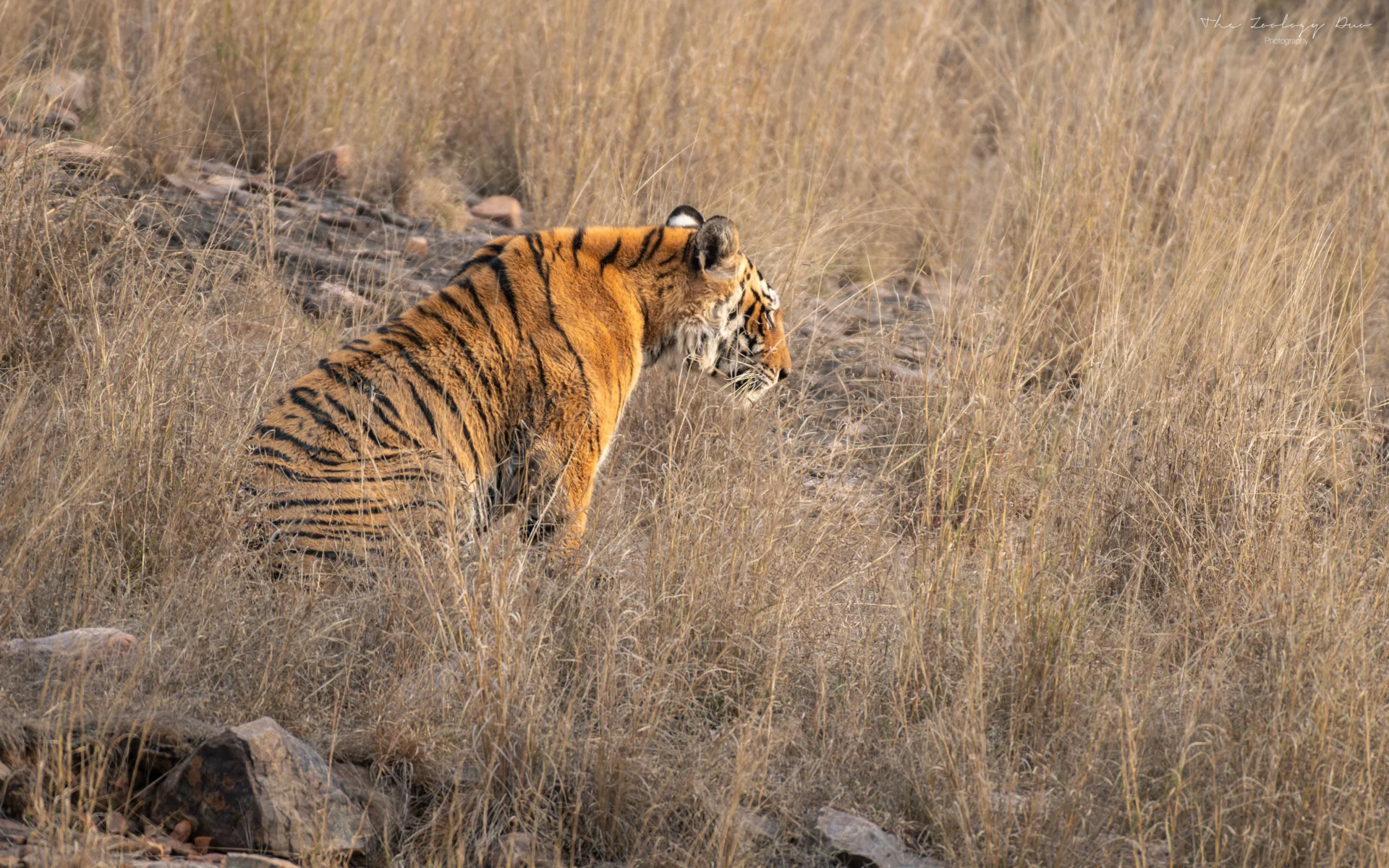
Zone 2 is an excellent choice for first-time visitors, offering a fantastic balance of wildlife, scenery and photographic potential. We were fortunate enough to photograph the famous tigress Arrowhead, who has since passed away, as well as the dominant male Ganesh beside one of the zone’s lakes, producing some of our favourite tiger portraits from the trip.
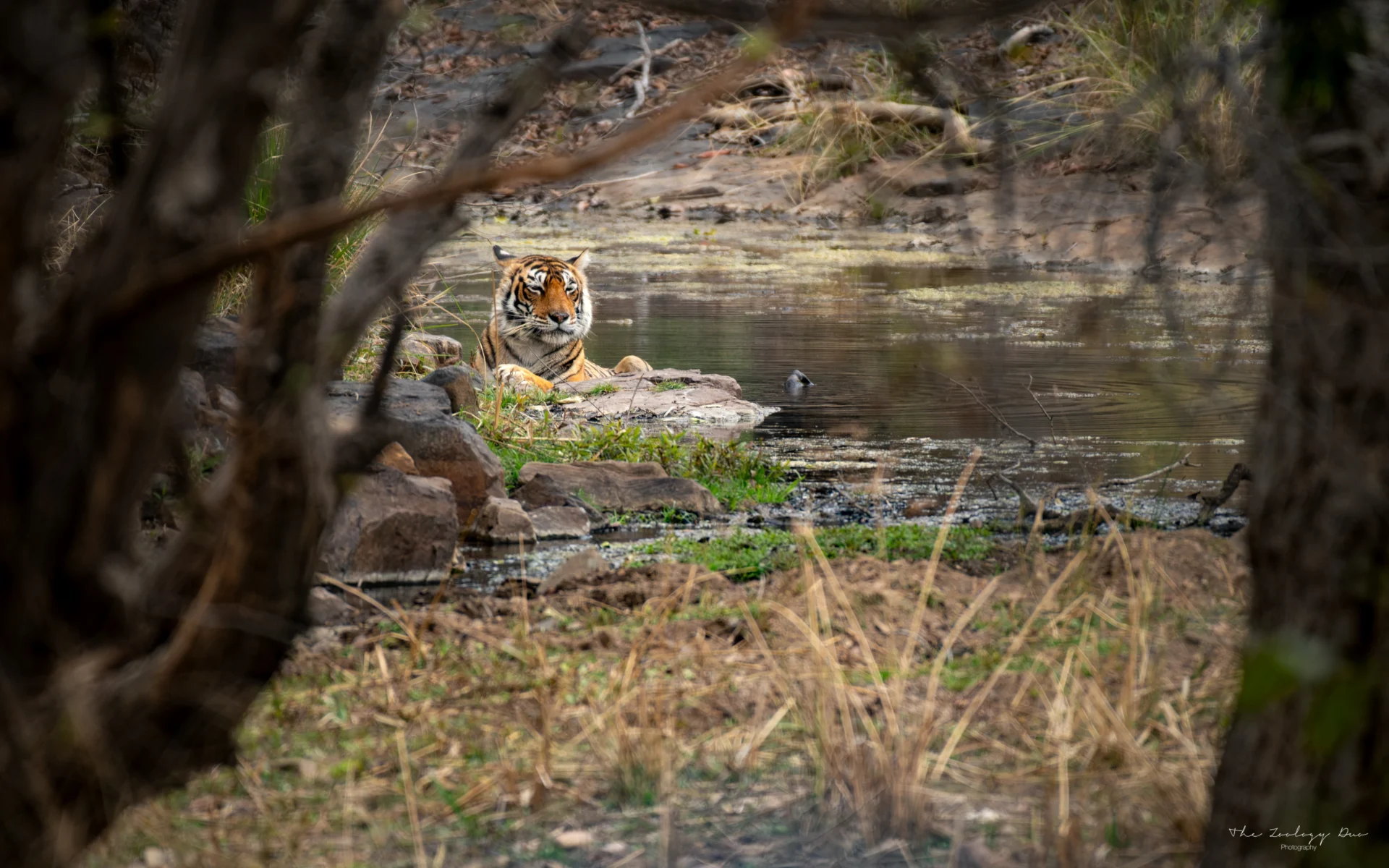
Zone 3
Zone 3 is perhaps the most photographed part of Ranthambore National Park, thanks to the beautiful Rajbagh and Padam Lakes, and the dramatic backdrop of the ancient Ranthambore Fort. Few safari destinations in the world combine wildlife and history in such a spectacular way.
Tigers are regularly seen moving between the lakes and surrounding woodland, while mugger crocodiles, sambar deer, nilgai and countless birds thrive around the wetlands. Even without a tiger sighting, the scenery alone makes this one of the highlights of the park.
For wildlife photographers, Zone 3 offers a great opportunity to observe tigers, as well as some of Ranthambore’s most atmospheric landscapes and is a fantastic place to capture the park’s unique character.
Zone 3 produced some of the most memorable sightings of our trip. Watching Riddhi and her three playful cubs was a privilege we’ll never forget, and it perfectly demonstrated why this zone has become so legendary amongst wildlife photographers.

Zone 4
Zone 4 offers a quieter safari experience while still providing excellent opportunities to encounter a wide variety of wildlife. The landscape here is dominated by vast dry forest, rolling hills and peaceful lakes, creating a diverse range of habitats.
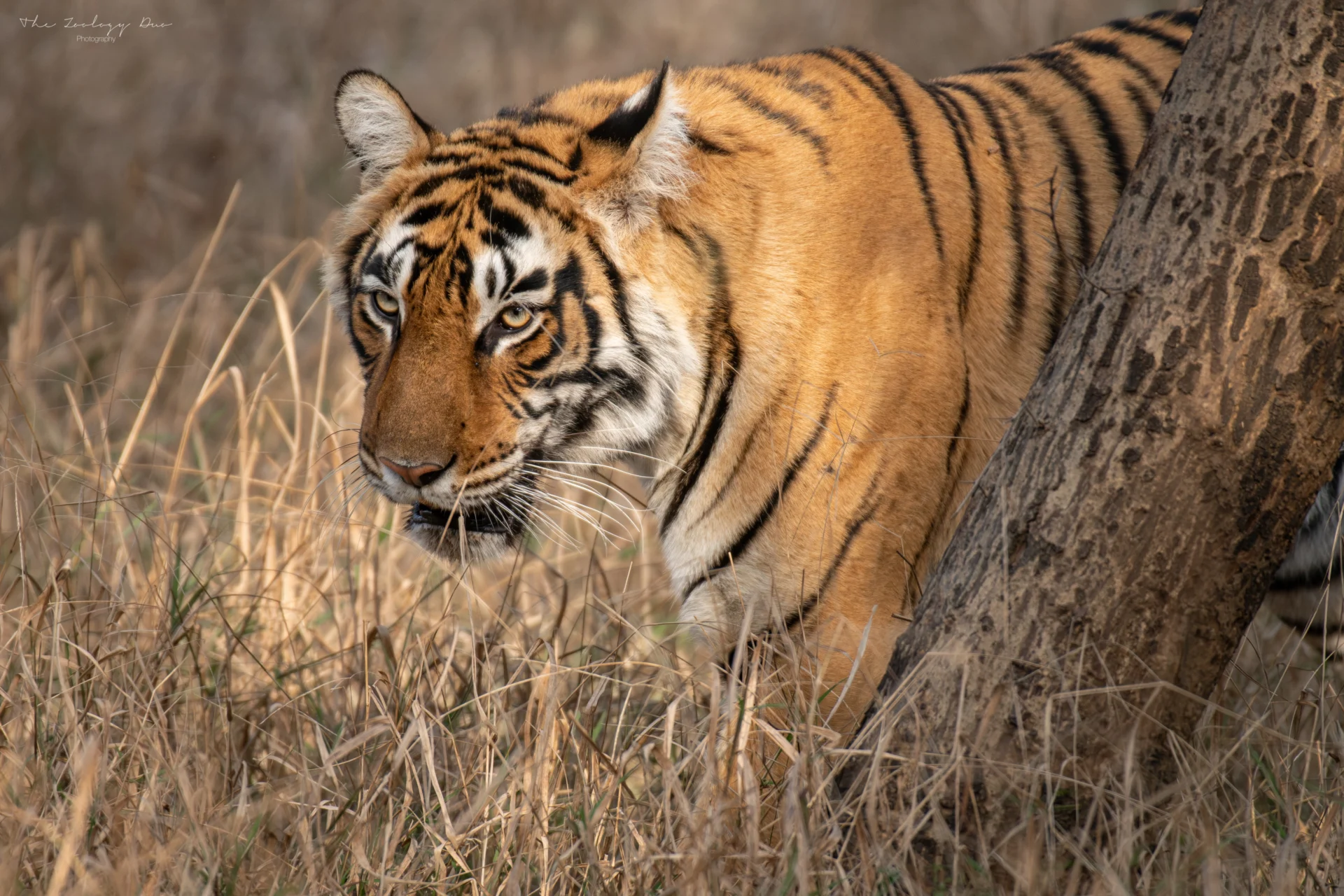
This zone has a special place in our hearts as it marked our first venture into Ranthambore National Park and provided us with our first ever wild tiger sighting. Around two hours into our first safari, the silence was suddenly broken by the alarm calls of sambar and spotted deer echoing through the forest. As we waited in anticipation, we caught our first glimpse of a tigress slowly weaving between the trees in the distance. To our amazement, she then turned and began walking directly towards us, coming closer and closer before passing just metres from our vehicle. It was an unforgettable encounter and the perfect introduction to one of India’s greatest wildlife destinations.
Zone 5
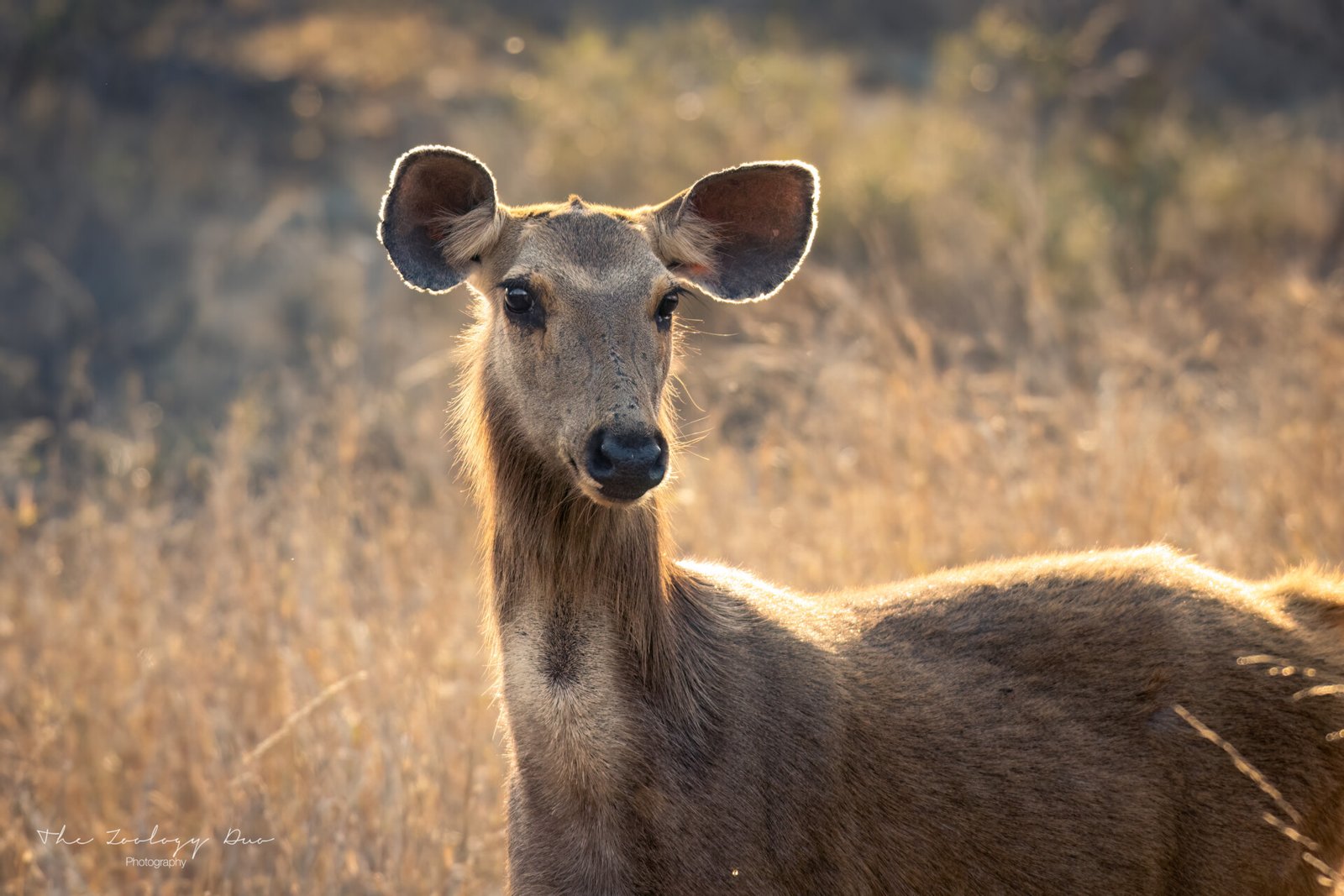
Zone 5 combines open woodland, rocky terrain and several picturesque lakes, making it another excellent all-round safari zone. During our visit, this area produced some of our favourite photographs of sambar deer feeding in the distinctive red algae-covered lakes, highlighting that memorable wildlife moments don’t always involve tigers.
It is often regarded as one of the most productive zones to observe sloth bears. Like the rest of the core zones, Zone 5 supports healthy populations of deer, crocodiles, langurs and numerous bird species alongside its resident tigers.
For visitors hoping to enjoy both wildlife and photography, Zone 5 offers a wonderful mix of habitats and consistently rewarding safari drives.

Buffer Zones (6-10)
Zones 6–10 make up Ranthambore’s buffer area and have become increasingly productive for wildlife viewing in recent years. Although they are often considered less desirable than the original core zones, they now support resident tigers and regularly produce excellent sightings.
These zones are generally quieter and easier to get last-minute bookings, allowing visitors to enjoy a more peaceful safari experience while exploring landscapes that differ subtly from the older parts of the park. As always, wildlife movements change over time, meaning exceptional sightings are possible wherever you go.
If you’re allocated one of the newer zones, don’t be disappointed. Many visitors leave with unforgettable memories, proving that there really is no such thing as a “bad” safari zone in Ranthambore.
Zone 6
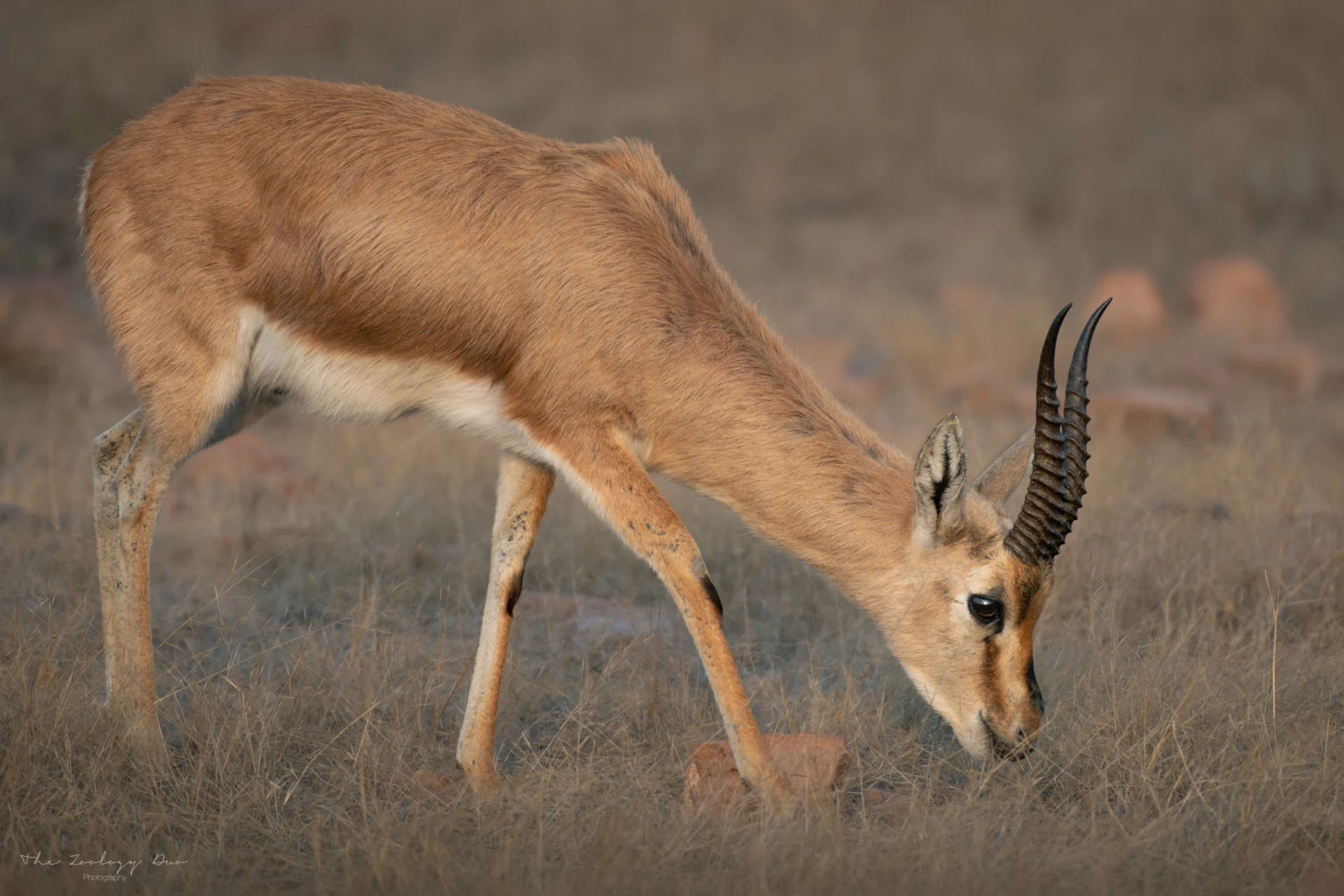
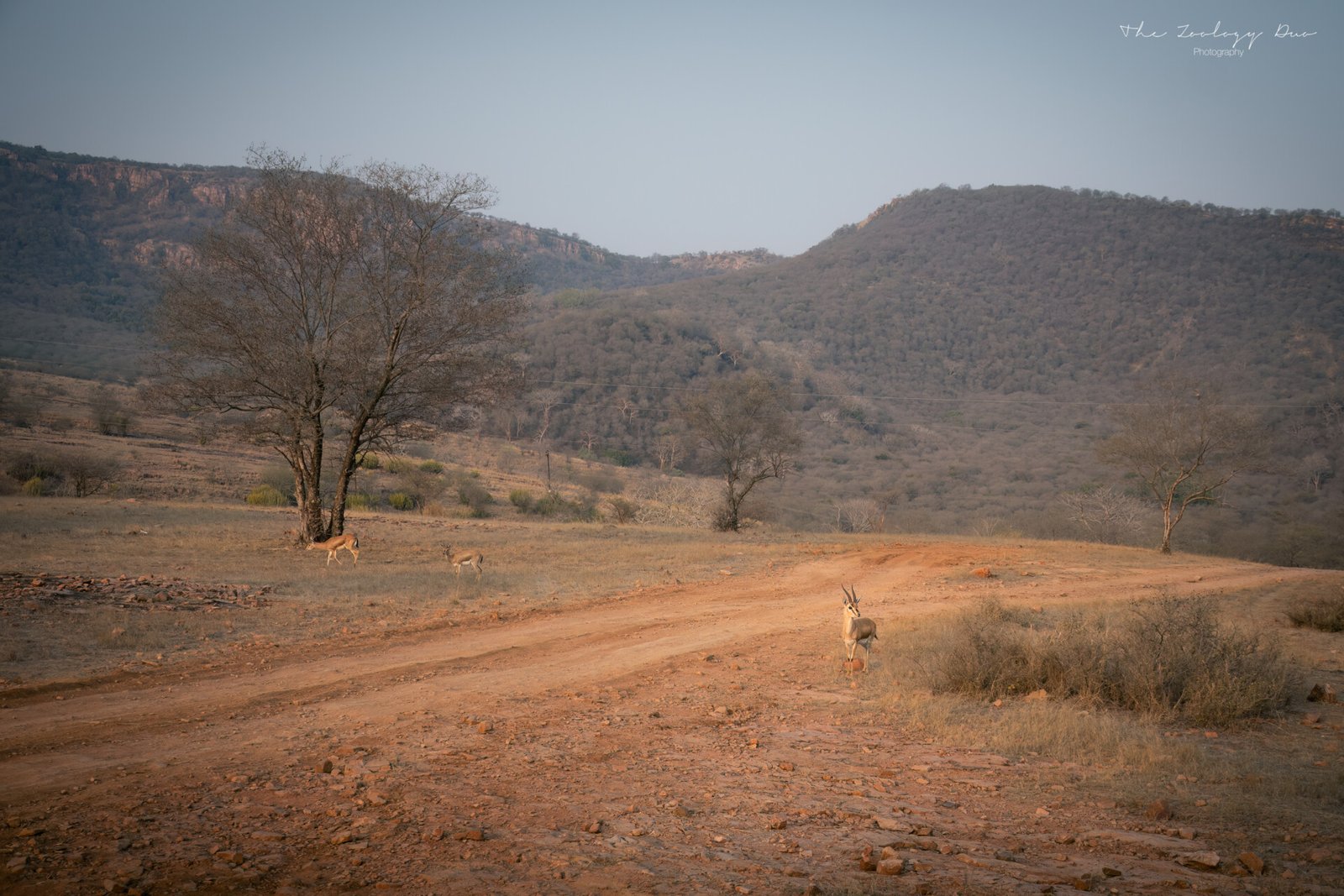
Zone 6 feels noticeably different from the original core zones. The landscape opens into rolling grassland and scrub, creating a much more open safari experience that almost resembles a miniature African savannah in places. During our visit, this was the best area for observing chinkara (Indian gazelles), which are perfectly adapted to this drier habitat. The open terrain also makes wildlife easier to spot over greater distances and provides excellent opportunities for landscape photography.
Zone 7
Zone 7 is characterised by a mixture of dry deciduous woodland, rocky hillsides and open clearings, giving it a similar feel to some of the core zones while generally receiving fewer visitors. The varied habitat supports a good diversity of wildlife, including tigers, leopards, sloth bears and numerous herbivores, making every safari feel full of potential. For photographers, the rugged terrain and quieter atmosphere can provide some wonderful opportunities.
Zone 8
Zone 8 combines dense woodland with more open stretches of scrub and grassland, creating a varied landscape that supports a wide range of wildlife. As with the other buffer zones, it has become increasingly productive for tiger sightings in recent years, while also offering excellent opportunities to observe species such as nilgai, sambar deer, wild boar and a variety of birds. The quieter roads can make for a more relaxed safari experience.
Zone 9
Zone 9 offers a blend of forest, rocky terrain and open habitat, creating a diverse environment for both predators and prey. Although less well known than the original core zones, it has developed a strong reputation among many guides for producing rewarding wildlife encounters. The changing scenery also makes it an enjoyable area to photograph, particularly during the softer light of the early morning and late afternoon.
Zone 10
Zone 10 is the newest of Ranthambore’s zones and provides a slightly different perspective on the reserve. A mixture of woodland, scrub and open grassland creates excellent habitat for a variety of herbivores, while resident tigers have become increasingly established in recent years. The more open sections can offer beautiful panoramic views and a greater appreciation of Ranthambore’s diverse landscapes beyond the famous lakes and historic ruins.
Ranthambore Safari Booking: A Step-by-Step Guide
Ranthambore National Park safaris can be booked through multiple avenues. We personally recommend booking through the official government website, which is the cheapest and most direct way. However, it can be extremely confusing, and for some, the extra money and ease of booking through a tour company may be worth it.
We will outline the booking process of signing up and booking your safari tickets through the official Government of Rajasthan website.
Before booking, double-check that your chosen safari date doesn’t fall on one of the park’s weekly closure days. At the time of writing, Core Zones 1–5 close on Wednesdays and Buffer Zones 6–10 close on Tuesdays. Operating arrangements can change, so confirm the latest schedule before booking.
Official website: Forest Department, Government of Rajasthan
As for all safari bookings throughout the state of Rajasthan, the official and therefore most affordable way to get tickets is to book online via the official Government of Rajasthan website: https://sso.rajasthan.gov.in/. This applies to booking safaris for both the iconic tiger reserve: Ranthambore National Park, as well as the amazing leopard reserve located right next to the heart of Jaipur: Jhalana Leopard Safari.
Here is your step-by-step guide to booking your Ranthambore Safari tickets!
Registration
- Visit the official website: https://sso.rajasthan.gov.in/
- Click Registration > Citizen > sign up via Google account
- Set your username and password. Then use email to register and click register!
- Now log in and update your details (name, email, gender, DOB, etc.)
Find the booking page
- Login and navigate to the Rajasthan SSO homepage
- Find and click “Forest & Wildlife” application. Then “Wildlife Tourism”
- From here, select the location of the reserve you wish to book: ‘Ranthambore Tiger Reserve,Sawaimadhopur’
Checking price & availability
- For “Ranthambore Tiger Reserve,Sawaimadhopur Advance Booking”.
- Click “Fee Details” – enter number of people and press submit (you can check the prices of Gypsy vs Canter safaris here for Indian vs Foreign Nationals)
- Click “Check Availability” – select date, fill in Captcha and submit
- Here you can see the number of individual seats available for “Gypsy” (6-seater jeep) and “Canter” (20-seater truck) for morning and evening safaris.
Booking your Ranthambore safari
- Click “Book Now” and you will be taken to the booking screen.
- Select place – “Ranthambore National Park – Sawai Madhopur” > Input desired date > Choose morning or evening > Choose vehicle (Gypsy vs Canter)
- *If you wish to do both morning and evening, you have to repeat the process and book the morning and afternoon as separate safaris*
- Add your name, mobile and email.
- Click “Add Member” and fill in the passenger details for yourself. And make sure you do this “add member” for each person you want to book a ticket for.
- Make sure you use the correct passport number and bring your passport with you for your safari as they may check ID’s. And don’t add a video camera unless you have a professional video camera (DSLRs and Mirrorless Cameras don’t count and are fine to use without paying the extra fee)
- Now agree to the disclaimer.
- Finally, “Pay Now” > Aggregator > Razor Pay or Billdesk (for foreign VISA / Mastercards)
- DO NOT click off the page when the payment is going through otherwise your booking may fail!
Downloading your permits
- Navigate to the “Wildlife Tourism” section again like earlier.
- You will have to sign in again and potentially have to navigate back through to the “Book Now” part you did earlier for the booking part.
- From here, instead of entering the details to book a new safari, under “Citizen Dashboard” on the left, click the “Wildlife Tourism Services” and then “Permit Booking History” (see figure below)
- Choose “Ranthambore National Park (Advanced Booking)” from the dropdown and your “Wildlife Permit History” should open as a new tab (if you can’t see the page, check your laptop hasn’t blocked the pop up)
Gypsy vs Canter: Which Safari Vehicle is Best?
When booking a safari in Ranthambore National Park, one of the biggest decisions you’ll face is whether to choose a Gypsy or a Canter. Having experienced several safaris in both vehicles ourselves, we’d recommend choosing a Gypsy whenever possible. While both vehicles follow the same designated routes and have access to the same safari zones, the overall experience is noticeably different.
The first thing you need to know is what is a Gypsy and a Canter?
Gypsy
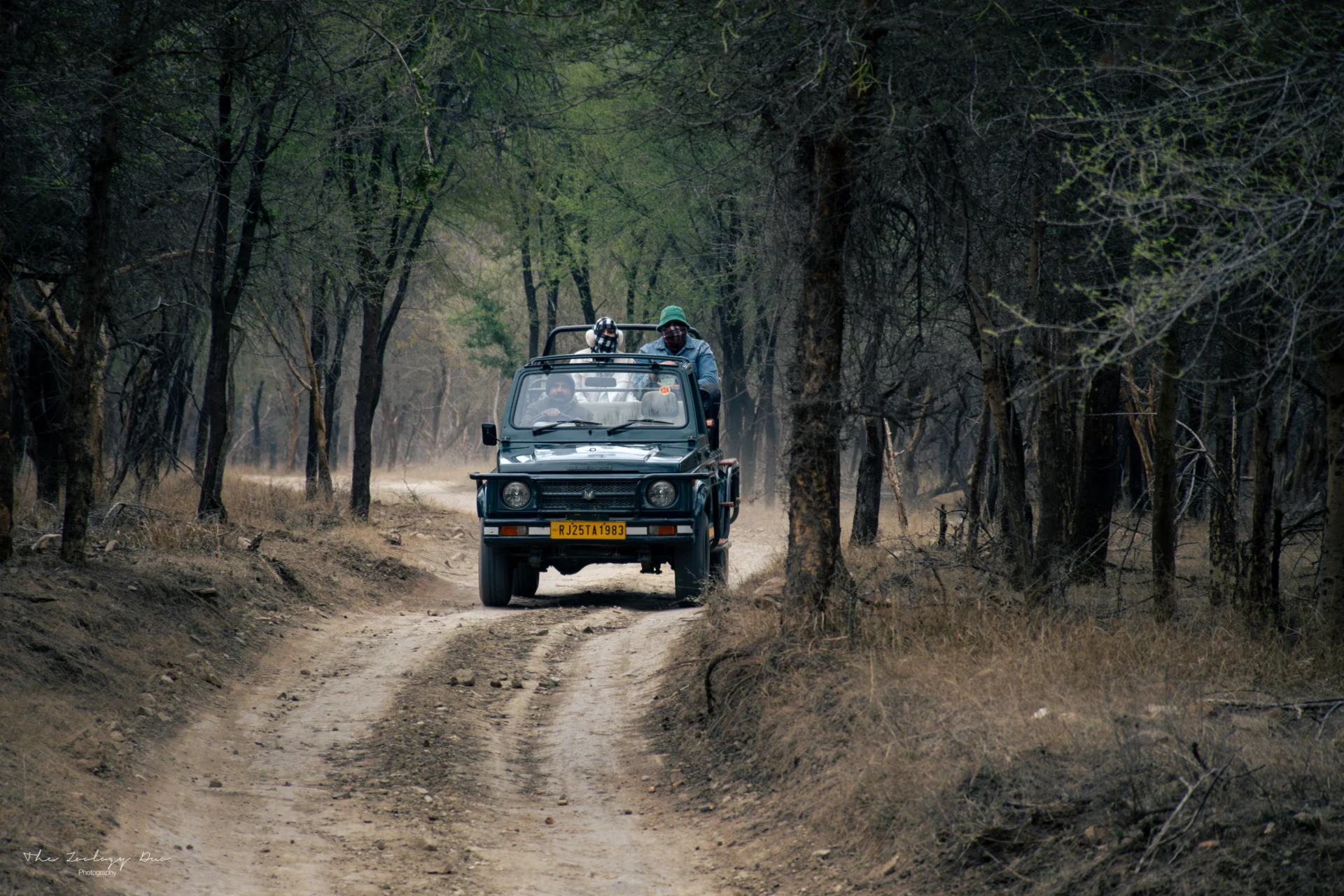
The Gypsy is a six-seater open-top 4×4 and, in our opinion, offers the best overall safari experience. With fewer passengers, everyone enjoys a better view, it’s easier to move slightly within your seat for photography, and guides can communicate more easily with you. For wildlife photographers, the lower vehicle and unobstructed sightlines make it the clear choice. In addition, the Gypsy’s compact size also allows the driver to position the vehicle more precisely, providing better viewing angles and making it easier to photograph wildlife without your view being obstructed by surrounding vehicles.
Canter
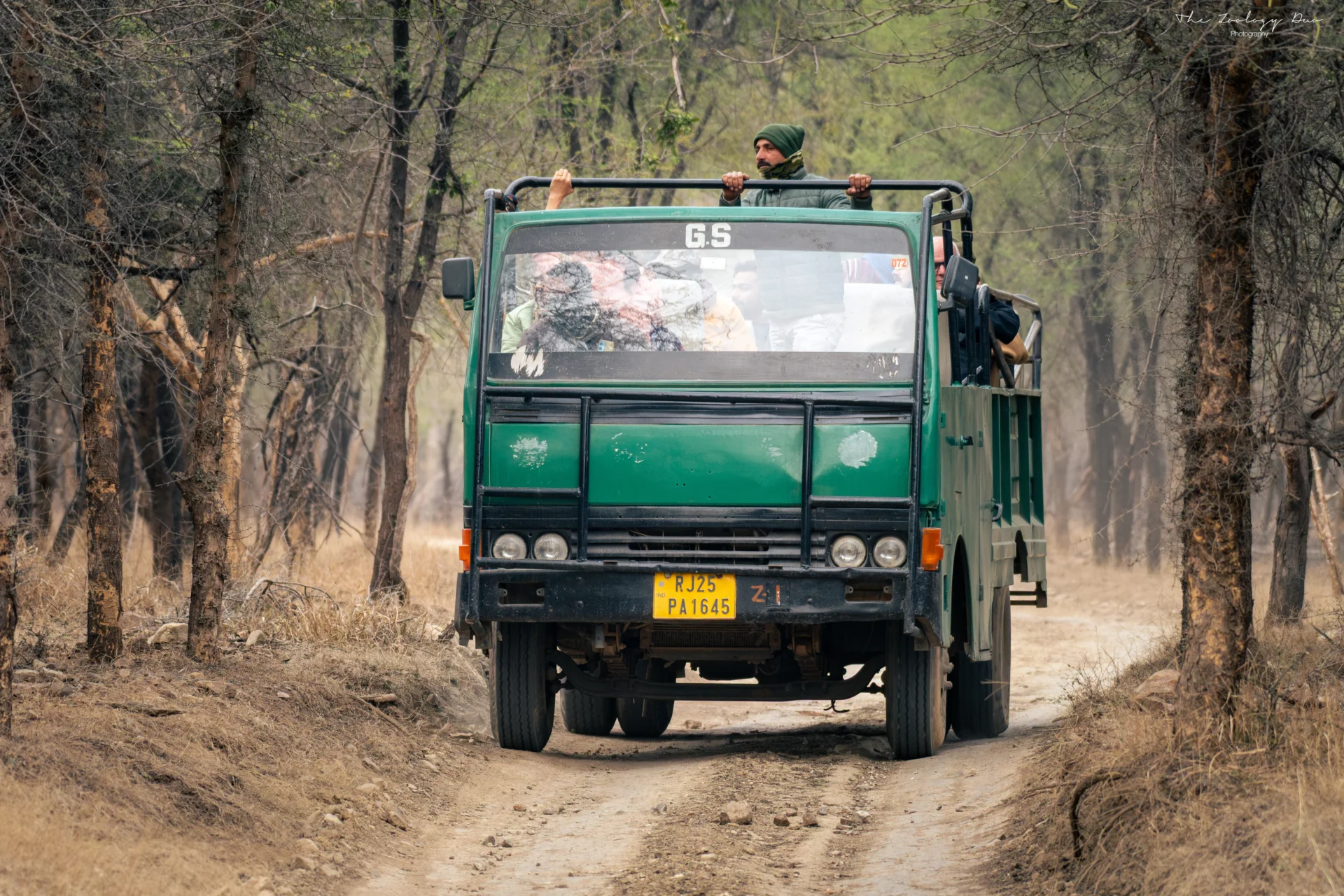
The Canter is a larger open safari truck carrying around twenty passengers. Although it lacks the intimacy and flexibility of a Gypsy, it’s often the more affordable option and can be a good choice for solo travellers or those booking at short notice. Because it’s higher off the ground, visibility over vegetation can be an advantage, although photography is generally more challenging due to the number of passengers and because the higher seating position makes it more difficult to shoot at eye level with your subject. The elevated seating position also gives passengers at the back a surprisingly good view over the surrounding vegetation, particularly when wildlife is spotted some distance away.
Our Recommendation
If your budget allows, we’d recommend booking a Gypsy for every safari. As Gypsies are limited in number and often sell out well in advance, it’s worth booking as early as possible to maximise your chances of securing one. Not only does it provide a more comfortable and immersive experience, but it’s also the better choice for wildlife photography thanks to the additional space, lower seating position and improved communication with your guide.
That said, don’t worry if you end up in a Canter. Some of our most memorable tiger sightings came from both vehicle types, showing that unforgettable wildlife encounters depend far more on timing, patience and a little luck than the vehicle you’re travelling in.
💡 Our Tip: If wildlife photography is one of your main reasons for visiting Ranthambore National Park, we strongly recommend choosing a Gypsy whenever possible. The smaller vehicle offers better viewing angles, greater flexibility and a much more enjoyable photographic experience.
Best Times to Visit Ranthambore National Park
Ranthambore National Park is open from October to June in the Core Zones, and year-round in the Buffer Zones, with each season offering a different safari experience. Whether your priority is comfortable weather, wildlife photography or maximising your chances of seeing a tiger, choosing the right time to visit can make a significant difference. Fortunately, there isn’t a bad time to visit during the open season – it simply depends on what you hope to get from your trip.
Whichever time of year you visit, remember that the park also operates weekly closure days. The Core Zones (1–5) are closed every Wednesday, while the Buffer Zones (6–10) are closed every Tuesday. If you’re planning a short stay, it’s worth checking these days before booking accommodation and safaris.
| Seasons | Weather | Wildlife |
|---|---|---|
| Winter (October – February) | Pleasant. Cold mornings & warm days. (7°C to 20°C) | Excellent all-round wildlife |
| Summer (March – June) | Very hot & dry. (25°C to 45°C) | Greatest chance for tiger sightings |
| Monsoon (July – September) | Lush greenery, intense rain. (25°C to 35°C) | Core zones closed. Not recommended for first visits |
🍂 October–February: The Most Comfortable Time to Visit
For most visitors, October to February is the ideal time to visit Ranthambore. Cool mornings, pleasant daytime temperatures and clear skies make it comfortable to spend long hours on safari, while the park’s landscapes remain attractive following the monsoon. These conditions are also excellent for wildlife photography, with softer light, reduced heat haze and comfortable temperatures allowing you to stay focused throughout each drive.
We visited Ranthambore National Park during the final week of February and found it to be an excellent time of year. Morning safaris are cold to begin with, and afternoons are warm, so you should pack accordingly with layered clothing. We were fortunate enough to enjoy tiger sightings on all but one of our days, proving that you don’t need to visit during the hottest months to have an unforgettable experience.
☀️ March–June: Best for Tiger Sightings
As temperatures rise and natural water sources begin to shrink, wildlife increasingly concentrates around permanent lakes and waterholes. This can make animal behaviour more predictable and often increases the chances of prolonged tiger sightings.
The trade-off is the heat. Daytime temperatures regularly exceed 40°C, making afternoon safaris physically demanding, particularly for visitors unfamiliar with Rajasthan’s climate. If your main priority is maximising your chances of seeing a tiger, many experienced guides consider this the best time of year – but be prepared for some very hot conditions.
🌧️ July–September: The Monsoon Season
Ranthambore’s core safari zones close during the monsoon season to allow the forest to recover and to protect the park’s roads from the heavy rainfall. While some buffer zones remain open, this isn’t generally the best time for a first visit, as access is more limited and weather conditions can be unpredictable.
That said, the monsoon transforms the landscape. Dry forests become lush and green, seasonal watercourses refill, and the park takes on a completely different appearance. If you’ve already visited Ranthambore and would like to experience another side of the reserve, the monsoon could offer a unique perspective.
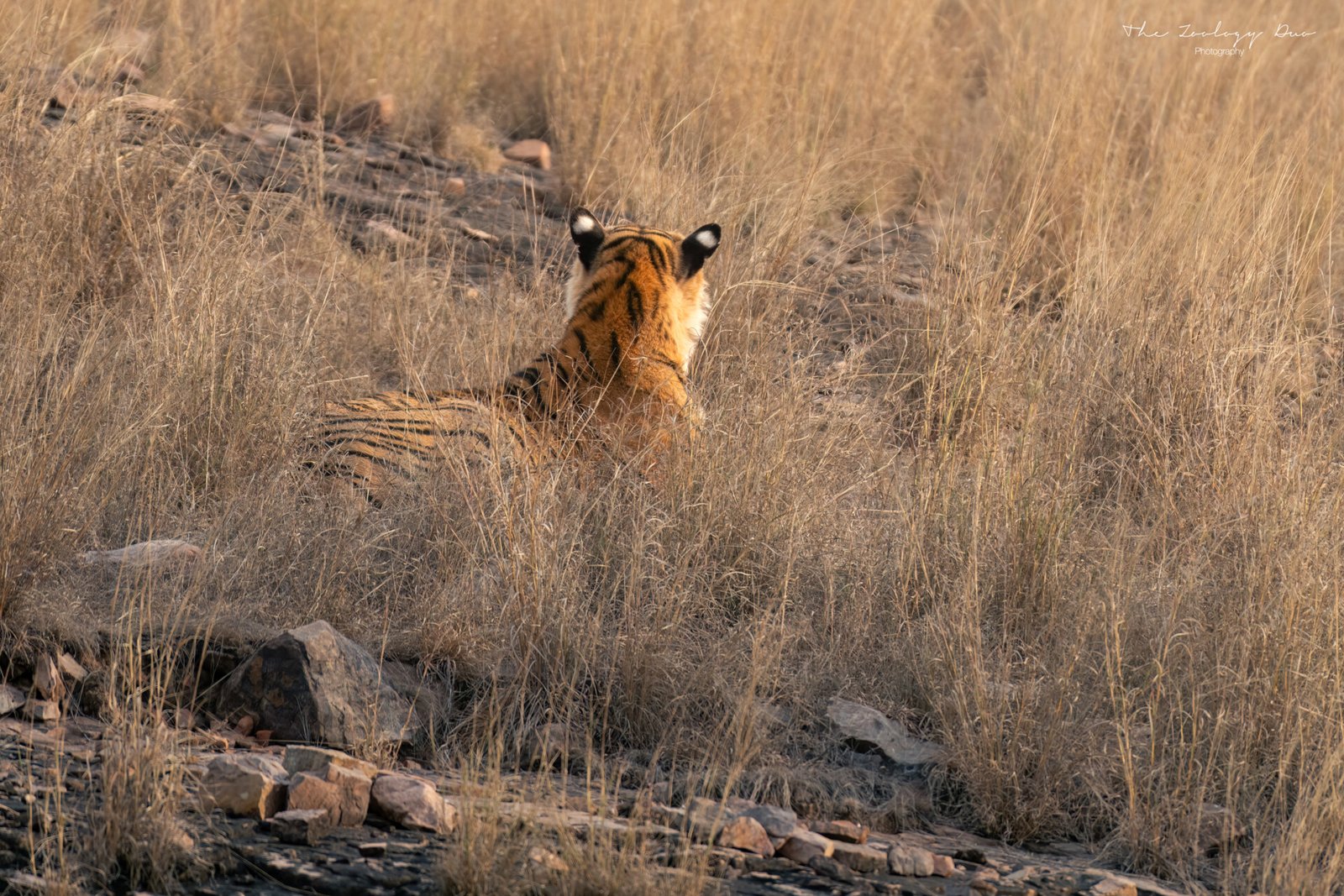
💡 Our Recommendation: If you’re visiting Ranthambore for the first time, we’d recommend travelling between October and February. You’ll enjoy comfortable weather, excellent wildlife viewing and ideal conditions for photography. If your sole priority is maximising your chances of seeing a tiger, consider visiting during the hotter months of March to June – but be prepared for the intense heat.
Safari Timings and Duration
Ranthambore offers two safaris each day: one in the morning and one in the afternoon. Each safari lasts approximately 3½ hours, although the exact entry and exit times vary throughout the year to maximise daylight hours and coincide with sunrise and sunset, ensuring the best possible wildlife viewing conditions.
| Period | Morning Safari | Afternoon Safari | Duration |
|---|---|---|---|
| October 1st – October 31st | 06:30–10:00 | 14:30–18:00 | ~3.5 hours |
| November 1st – January 31st | 07:00–10:30 | 14:00–17:30 | ~3.5 hours |
| February 1st – March 31st | 06:30–10:00 | 14:30–18:00 | ~3.5 hours |
| April 1st – May 15th | 06:00–09:30 | 15:00–18:30 | ~3.5 hours |
| May 16th – June 30th | 06:00–09:30 | 15:30–19:00* | ~3.5 hours |
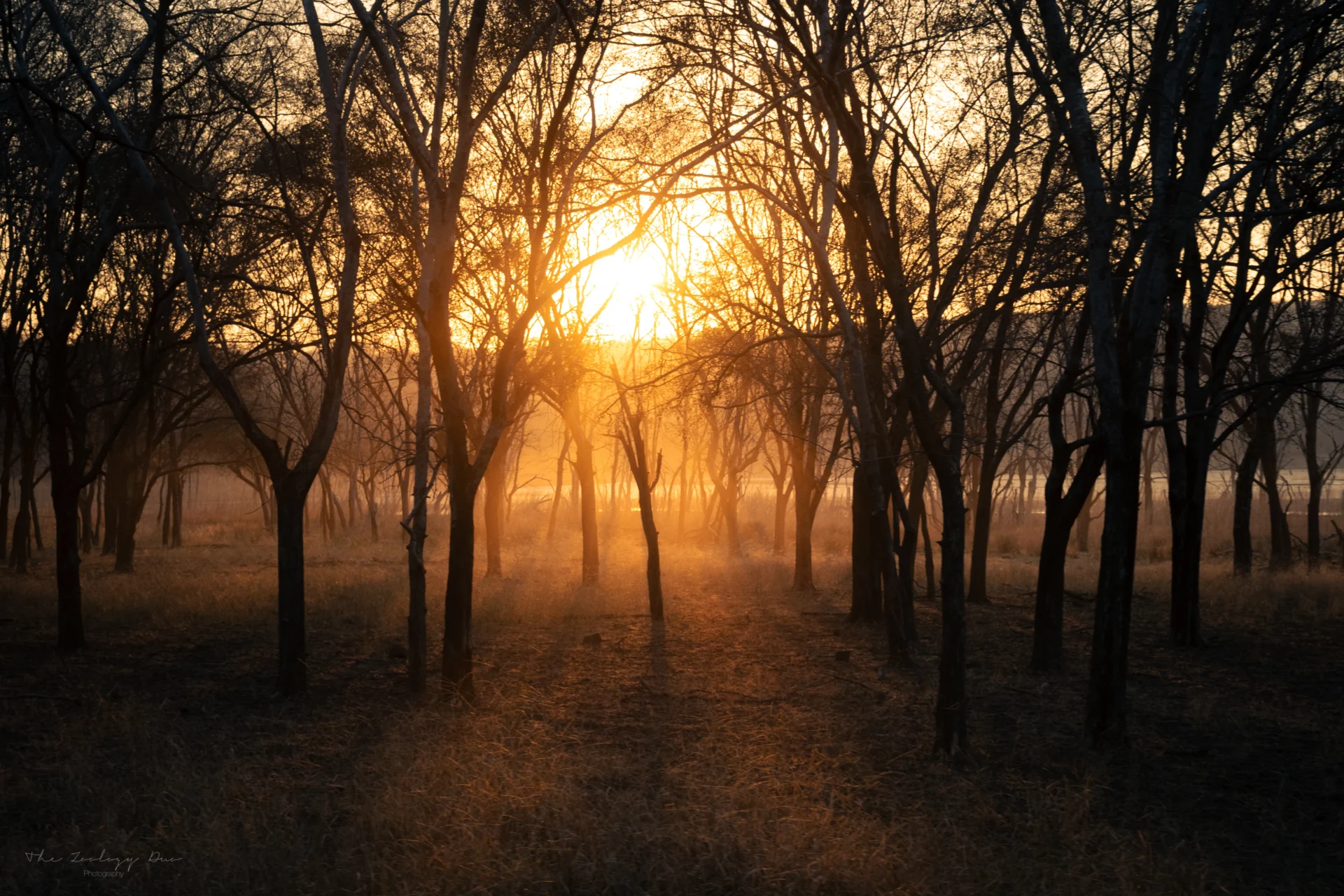
If you’re planning to maximise your chances of seeing wildlife, we’d highly recommend booking both the morning and afternoon safari across multiple days. During our visit, we booked both the morning and afternoon safari every day. After returning to the hotel in the late morning, we usually enjoyed lunch, downloaded our photographs, recharged camera batteries and had a chance to relax and nap before heading back out into the park. The break between drives made the early starts much more manageable and meant we were refreshed for each afternoon safari.
💡 Our Tip: If your schedule and budget allow, book both the morning and afternoon safari. Spending a full day in the park not only doubles your chances of memorable wildlife encounters, but also lets you experience the forest under very different lighting and wildlife activity.
What is a Safari in Ranthambore National Park Really Like?
Every safari in Ranthambore is different, but they all follow a similar rhythm. From the excitement of leaving your hotel before sunrise to scanning the forest and listening for alarm calls, every drive is filled with anticipation. Even on quieter safaris, the sense that a tiger could appear around the next corner at any moment is what makes Ranthambore such a thrilling place to visit.
| Time | What to Expect |
|---|---|
| 5:45 AM | Hotel pickup |
| 6:30 AM | Enter the park |
| 6:30 AM – 10:00 AM | Morning safari |
| 10:15 AM | Return to hotel |
| 10:30 AM – 2:00 PM | Breakfast/lunch, relax, edit photos |
| 2:15 PM | Afternoon pickup |
| 2:30 PM – 6:00 PM | Evening safari |
| Evening | Dinner and prepare for the next day |
Early Mornings
Morning safaris usually begin well before sunrise. Depending on the time of year, you’ll be collected from your hotel between 5:30 and 6:30 am, before making your way to the park entrance. Although the early alarm can feel daunting, watching the forest gradually come to life as the sun rises is an unforgettable part of the experience.
💡 Take Layers of Clothing: The mornings can be really cold when driving around in the open vehicles, so make sure you pack enough layers. In contrast, as the sun comes up it gets really hot, quickly.
Inside Ranthambore National Park
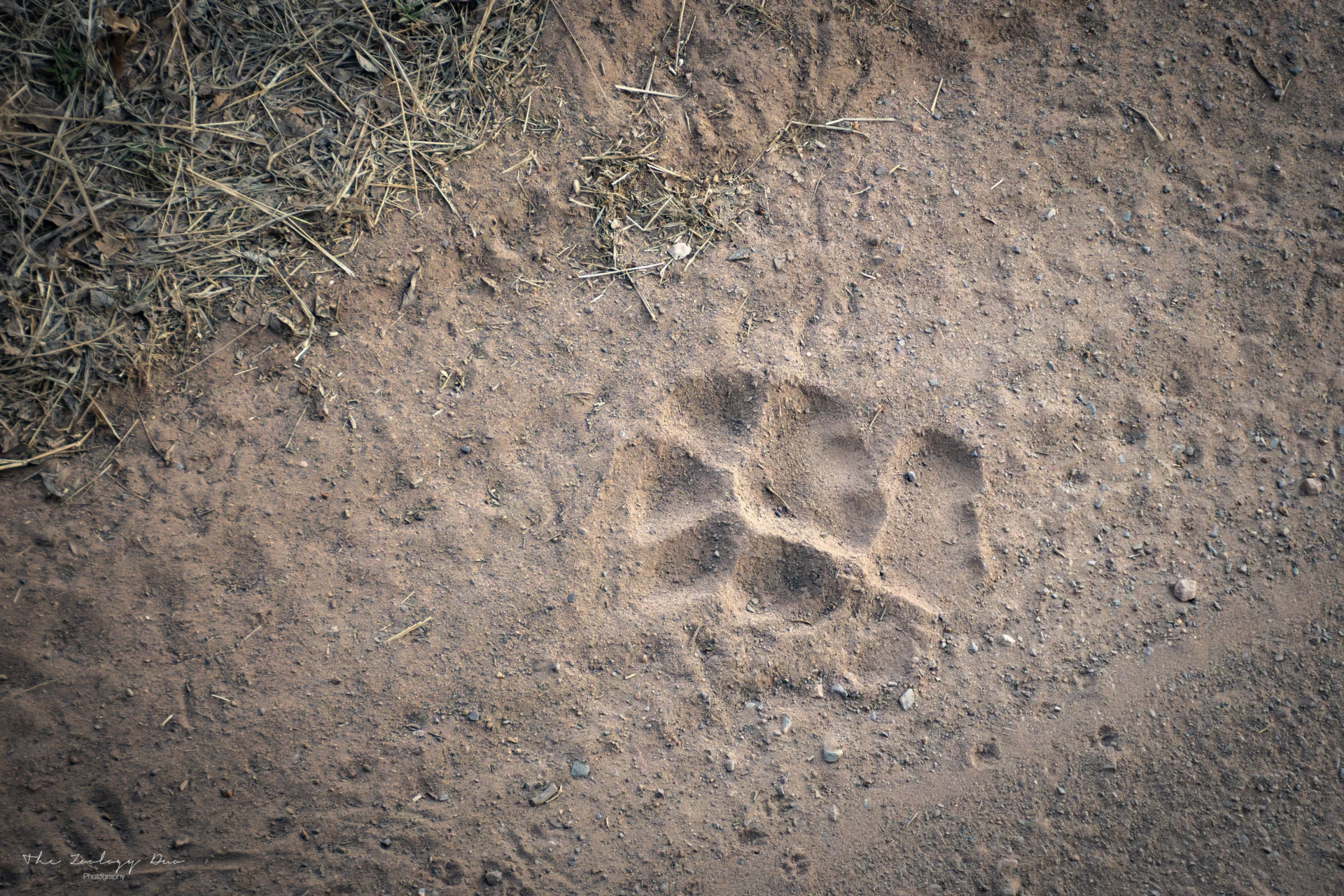
Once through the entrance gate, your guide and driver begin searching for signs of wildlife. Fresh tracks on the dusty roads, alarm calls from sambar deer or langurs, and updates from other safari vehicles all help build a picture of where animals may be moving. Contrary to what many first-time visitors expect, a safari isn’t simply a drive through the forest – it’s a constant process of observation and interpretation.
Tiger Sightings
When a tiger is reported nearby, the atmosphere changes almost instantly. Vehicles quietly gather in strategic positions while everyone waits in hopeful silence. Sometimes the tiger appears within minutes; other times the forest remains still before suddenly coming alive with alarm calls. The unpredictability is all part of the experience, making every sighting feel genuinely special.
It’s Not Just About Tigers
Although tigers are understandably the main attraction, some of our favourite moments came when nothing “spectacular” was happening. Watching crocodiles bask beside the lakes, photographing sambar deer feeding among the vivid red algae, or simply listening to the sounds of the forest reminded us that every safari has something to offer if you’re willing to slow down and observe.
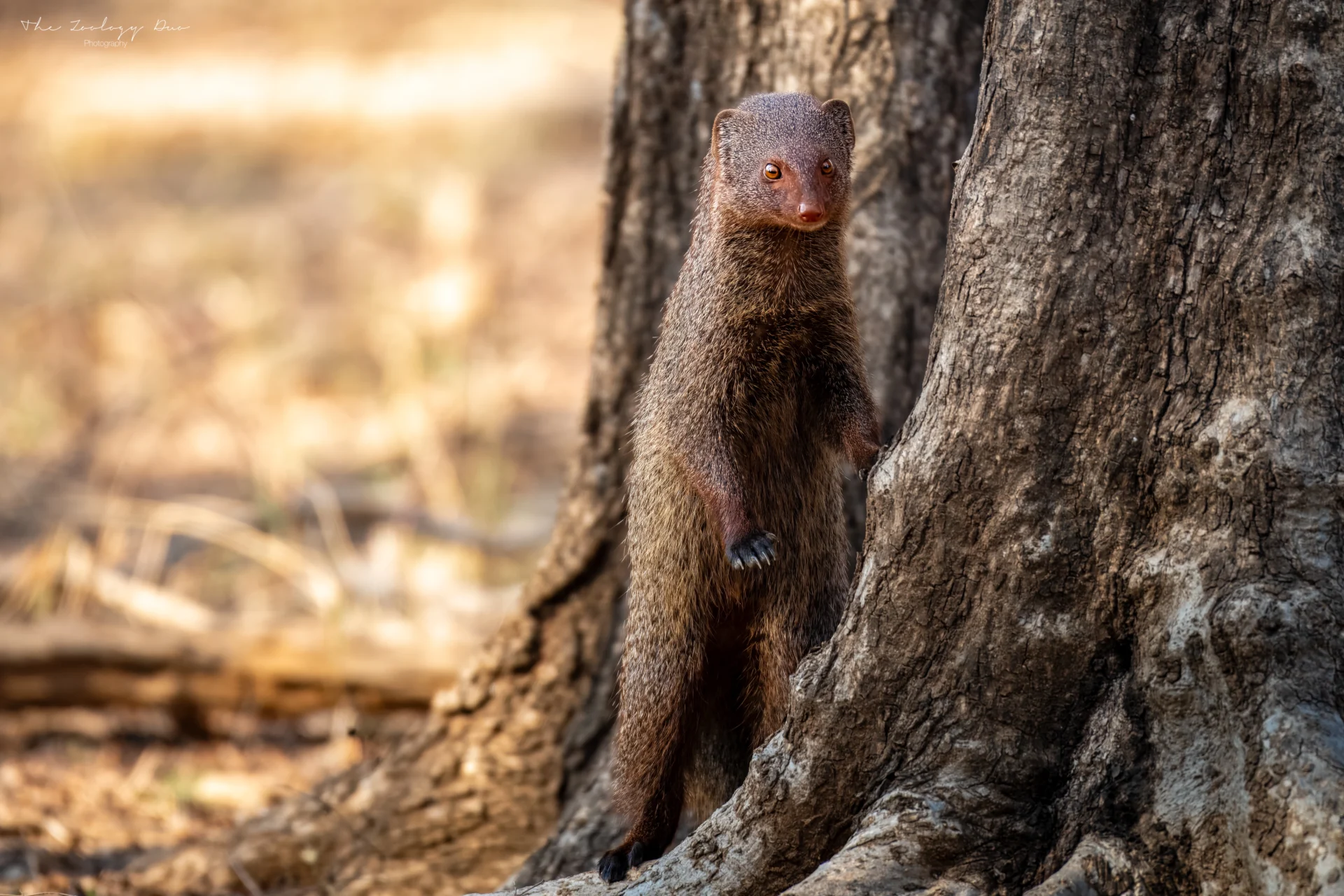
💡 Listen for Alarm Calls: Sambar deer and grey langurs are often the first animals to detect a nearby tiger or leopard. Their distinctive alarm calls help guides work out where predators may be moving, so don’t just watch the wildlife – listen to it too.
What to Bring on Safari
A little preparation can make a big difference to your comfort and photography during a Ranthambore safari. Conditions can change quickly between the cold early mornings and much warmer afternoons, so packing versatile clothing and a few practical essentials is important.
Clothing
Dress in layers, particularly between October and February. Morning drives can feel surprisingly cold in an open vehicle before sunrise, while temperatures rise extremely quickly once the sun appears. A fleece or jacket, comfortable trousers and a scarf or buff are useful, along with a hat, sunglasses and sunscreen for the warmer part of the day.
Neutral colours such as green, brown, beige and grey are ideal, both for comfort and for blending into the environment.
It’s also a great idea to bring a face cover or buff to cover your mouth and nose during your safaris as it can get pretty dusty out there.
Camera and Wildlife-Viewing Gear
Binoculars are extremely useful, as wildlife is not always close to the road. For photography, a telephoto lens is essential, although a wider lens can also be useful for landscapes, ruins and environmental portraits.
Bring spare batteries, plenty of memory-card space and a microfibre cloth or air blower to clean your camera from the dust. We regularly downloaded photographs and recharged our equipment between the morning and afternoon drives, which helped us stay organised throughout the trip.
Other Essentials
Carry the same passport or identification document used when booking your safari, as it may be checked at the entrance. A refillable water bottle, insect repellent, and a small power bank are also worth bringing.
Keep everything in a compact day bag that is easy to manage inside the vehicle. Space can be limited, so avoid taking more than you genuinely need.
💡 Our Tip: Keep a lens cloth, spare battery and extra memory card somewhere you can reach without opening your main bag. Wildlife encounters can happen suddenly, and you do not want to miss a photograph while searching through your equipment.
Frequently Asked Questions
Is Ranthambore National Park worth visiting?
Absolutely. If seeing a wild Bengal tiger is high on your bucket list, Ranthambore National Park is one of the best places in the world to make it happen. During our week in the park we enjoyed sightings of four different adult tigers, six cubs and a fantastic variety of other wildlife, making it one of the most memorable wildlife destinations we’ve ever visited.
How many days should you spend in Ranthambore National Park?
We recommend spending at least three full days in Ranthambore National Park. This gives you the opportunity to complete multiple morning and afternoon safaris across different safari zones, greatly increasing your chances of memorable wildlife encounters.
If wildlife photography is your main focus, we would recommend staying five to seven days, as we did.
What is the best safari zone in Ranthambore?
There isn’t a single “best” safari zone.
While Zones 2 and 3 have historically been famous for tiger sightings, tiger territories change over time and excellent sightings are possible throughout the park. We would recommend focusing on booking multiple safaris rather than worrying too much about your allocated zone.
What are the chances of seeing a tiger in Ranthambore?
Although tiger sightings are never guaranteed, Ranthambore is widely regarded as one of the best places in India to see wild Bengal tigers.
During our visit we saw tigers on every day except one, including multiple females, one male and six cubs. However, wildlife is unpredictable, and every safari is different.
Should I book a Gypsy or a Canter?
If your budget allows, we strongly recommend booking a Gypsy.
With only six passengers, it provides better visibility, more space for photography and a much more immersive safari experience. Canters are usually cheaper and can still produce incredible wildlife sightings, but photography is generally more challenging.
Can you choose your safari zone?
You can choose your preferred safari zone and vehicle type when booking, although both are subject to availability. We recommend booking as far in advance as possible to give yourself the best chance of securing your preferred zone and either a Gypsy or Canter.
If your main goal is to experience several different parts of the park, the best approach is to book multiple safaris over several days and select different zones where availability allows, rather than relying on a single zone.
What should I wear on a Ranthambore safari?
Neutral-coloured clothing is ideal.
Between October and February, mornings can be surprisingly cold before warming up quickly once the sun rises, so layers are essential. Comfortable trousers, a fleece or jacket, sunglasses and a hat are all recommended. It can also get pretty dusty, so we recommend bringing a face cover or buff to cover your mouth and nose.
When is the best time to visit Ranthambore?
For most visitors, we recommend travelling between October and February, when temperatures are comfortable and wildlife viewing remains excellent.
If your sole priority is maximising your chances of seeing a tiger, March to June generally offers the best opportunities when animals congregate around water sources, although temperatures regularly exceed 40°C.
Can you visit Ranthambore as a day trip from Jaipur?
Yes.
Several companies offer guided day trips from Jaipur that include transport and a safari. These are ideal if you’re short on time.
However, if possible, we’d strongly recommend staying in Sawai Madhopur for several nights so you can experience multiple safaris and dramatically improve your chances of memorable wildlife sightings.
Is Ranthambore National Park suitable for wildlife photographers?
Without question.
Ranthambore is one of India’s finest wildlife photography destinations thanks to its relatively open landscapes, excellent visibility and dense tiger population that are used to living alongside safari vehicles. Combined with dramatic scenery, ancient ruins and abundant birdlife, it offers fantastic photographic opportunities throughout the year.
Final Thoughts
If you’re dreaming of seeing a wild Bengal tiger, it’s hard to imagine a better place to begin than Ranthambore National Park.
We arrived hoping to catch a glimpse of India’s most iconic predator. An unforgettable week later, we left having enjoyed multiple magical encounters with four different adult tigers, six cubs and countless other wildlife species, with memory cards full of photographs we’ll treasure for years to come.
If you’re even half as wildlife-crazy as us, you’ll also fall in love with all of the other wildlife Ranthambore has to offer. From watching mugger crocodiles bask beside the lakes and photographing sambar deer feeding amongst the vivid red algae, to simply listening to the alarm calls echo through the forest as everyone waited in anticipation, every safari offered something different. It’s this unpredictability that makes Ranthambore such a rewarding place to visit. No two drives are ever the same, and every corner of the park has the potential to produce an unforgettable wildlife encounter.
Whether you’re a first-time safari-goer, an avid birdwatcher or a wildlife photographer hoping to capture the perfect tiger portrait, Ranthambore National Park offers an experience unlike anywhere else in India. With a little planning, realistic expectations and perhaps a touch of luck, you’ll give yourself the very best chance of creating memories that will last a lifetime.
We hope this guide has helped you plan your own Ranthambore adventure. If you have any questions, feel free to leave a comment below—we’re always happy to help fellow wildlife travellers.
Happy safaris!
For more information on experiencing some of Northern India’s incredible Wildlife, see our guide to Jaipur’s urban paradise: Jhalana Leopard Safari.
Related Posts


